
Every child is energetic, distractible, and forgetful at times — that is simply childhood. So how do you know when restlessness and inattention are something more? Attention Deficit Hyperactivity Disorder (ADHD) is one of the most common and most misunderstood conditions we see in young people. The good news is that when it is recognised and supported early, children with ADHD go on to thrive at school, at home, and in friendships.
This guide explains what ADHD actually looks like, how a proper diagnosis is made, and what treatment involves — drawn from years of working with families seeking ADHD assessment and treatment for their children.
What ADHD really is (and isn't)
-
A Neurodevelopmental Condition
ADHD is a neurodevelopmental condition, which means it relates to how a child's brain develops and regulates attention, impulse, and activity. It is not caused by bad parenting, too much sugar, or too many screens — although routine and environment can certainly make symptoms easier or harder to manage. Children with ADHD are not lazy or naughty; their brains simply work differently when it comes to focus and self-control.
The three faces of ADHD
ADHD does not look the same in every child. Clinicians recognise three broad presentations, and understanding them helps explain why the quiet daydreamer and the child who never sits still can both have the same underlying condition.
-
Predominantly inattentive
This child struggles to hold attention, is easily distracted, loses things, forgets instructions, and often seems to be "somewhere else." Because they are rarely disruptive, this type — more common in girls — is frequently missed for years and mistaken for shyness or lack of effort.
-
Predominantly hyperactive-impulsive
This child fidgets constantly, climbs and runs at the wrong moments, talks non-stop, interrupts, and finds waiting almost unbearable. Their difficulties are obvious early because they show up loudly in the classroom.
-
Combined presentation
Many children show a mix of both — inattentive and hyperactive-impulsive traits together. This is the most commonly diagnosed form.
Signs to watch for by age
-
Age-wise Signs
- Preschool: extreme restlessness, difficulty playing quietly, frequent tantrums, and no sense of danger.
School age: trouble finishing homework, careless mistakes, difficulty following multi-step instructions, blurting answers, and struggling to wait their turn.
Older children and teens: disorganisation, forgotten deadlines, mood swings, low self-esteem from repeated criticism, and difficulty sustaining friendships.
One important point: the signs must appear in more than one setting — home and school, for example — and must genuinely interfere with daily life. A child who focuses fine at school but is lively at home usually does not have ADHD.
- Preschool: extreme restlessness, difficulty playing quietly, frequent tantrums, and no sense of danger.
How ADHD is diagnosed
-
The Full Picture
There is no single blood test or scan for ADHD. A reliable diagnosis comes from careful assessment by a child psychiatrist in Patna who gathers the full picture: a detailed developmental history, standardised rating scales completed by parents and teachers, and direct observation of the child. We also rule out other explanations — hearing or vision problems, learning difficulties, anxiety, sleep issues, or difficult events at home — because these can mimic or accompany ADHD.
-
Why Thoroughness Matters
This thoroughness matters. A rushed label helps no one, and an accurate diagnosis is the foundation of effective child and adolescent guidance that supports the whole family, not just the child.
Treatment: what actually helps
Effective ADHD care is rarely about one single fix. The strongest results come from combining several approaches, tailored to the child's age and needs.
-
Behavioural strategies and therapy
For younger children especially, structured behavioural therapies and parent training are the first-line approach. These teach practical skills — clear routines, consistent rewards, breaking tasks into small steps, and calm ways to manage impulsive moments. Parents often tell us this is the part that changes daily life at home the most.
-
School support
Small adjustments make a big difference: seating away from distractions, extra time for tasks, written instructions, and regular movement breaks. We help families work with teachers so the classroom becomes an ally rather than a battleground.
-
Medication, when appropriate
For some children, particularly older ones with significant difficulties, medication can be a valuable part of the plan. When used carefully and monitored closely, it can improve focus and reduce impulsivity enough for the other strategies to take hold. This is always a shared decision with parents, never a first reflex.
Supporting your child at home
-
Practical Steps for Parents
- Keep routines predictable — same wake time, homework time, and bedtime each day.
Give one instruction at a time and ask your child to repeat it back.
Notice and praise effort, not just results — children with ADHD hear far more criticism than most.
Protect sleep and physical activity, both of which genuinely improve attention.
Above all, remember that your child is not giving you a hard time — they are having a hard time. With understanding and the right support, ADHD becomes something a child manages rather than something that defines them.
- Keep routines predictable — same wake time, homework time, and bedtime each day.
-
Taking the Next Step
If this describes your child, a proper assessment is the most useful next step. You can book an appointment for a calm, unhurried evaluation and a clear plan forward.
Frequently asked questions
-
Can children grow out of ADHD?
Symptoms often change with age — hyperactivity tends to ease in the teens — but many people continue to experience attention and organisation difficulties into adulthood. Early support helps children build skills that last a lifetime.
-
Is ADHD caused by too much screen time or sugar?
No. ADHD is a neurodevelopmental condition with a strong genetic component. Screens and diet can affect behaviour and sleep, but they do not cause ADHD.
-
Does ADHD always need medication?
No. Many children, especially younger ones, do well with behavioural strategies, parent training, and school support alone. Medication is considered only when it is likely to add real benefit.
-
At what age can ADHD be diagnosed?
Clear signs often appear by age six or seven, though it can be identified earlier or later. If a child's attention or activity is consistently interfering with daily life across settings, an assessment is worthwhile at any age.
Conclusion: Support That Lasts
Medically reviewed by Dr. Saurabh Kumar, Consultant Neuropsychiatrist, Patna Psychiatry — Healthy Minds Clinic. This article is for general education and is not a substitute for a personal consultation. To discuss your situation, book an appointment or contact the clinic.
TAGS: ADHD in Children, Neurodevelopmental Conditions, Inattentive ADHD, Hyperactivity, ADHD Signs by Age, ADHD Diagnosis, Behavioural Therapy, School Support, ADHD Medication, Parenting Tips
Disclaimer: All characters and events depicted in this blog are entirely fictional. Any resemblance to actual persons, living or dead, is purely coincidental. The content is intended for informational purposes only and should not be considered as medical advice. Always consult a qualified healthcare professional for medical concerns.
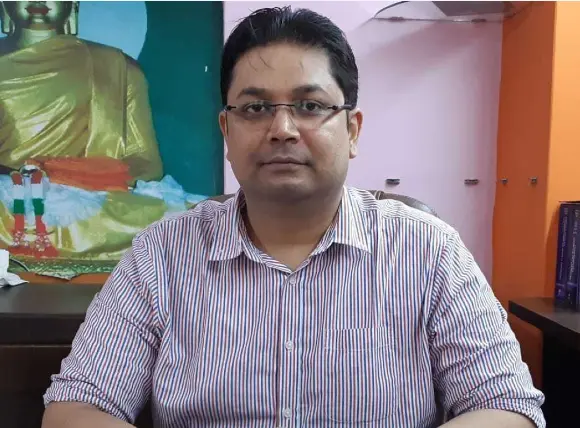
Saurabh Kumar
Dr. Saurabh Kumar is founder of Bihar Healthy Minds, specializes in clinical psychiatry, psychosomatic medicine, and expertise in various aspects of mental health. His research explores innovative treatments like Transcranial Magnetic Stimulation (TMS) and addresses stigma and psychopathology in mental illness. You can find Dr. Saurabh Kumar on Facebook , Instagram and Twitter as well.

No comments yet. Be the first to comment!