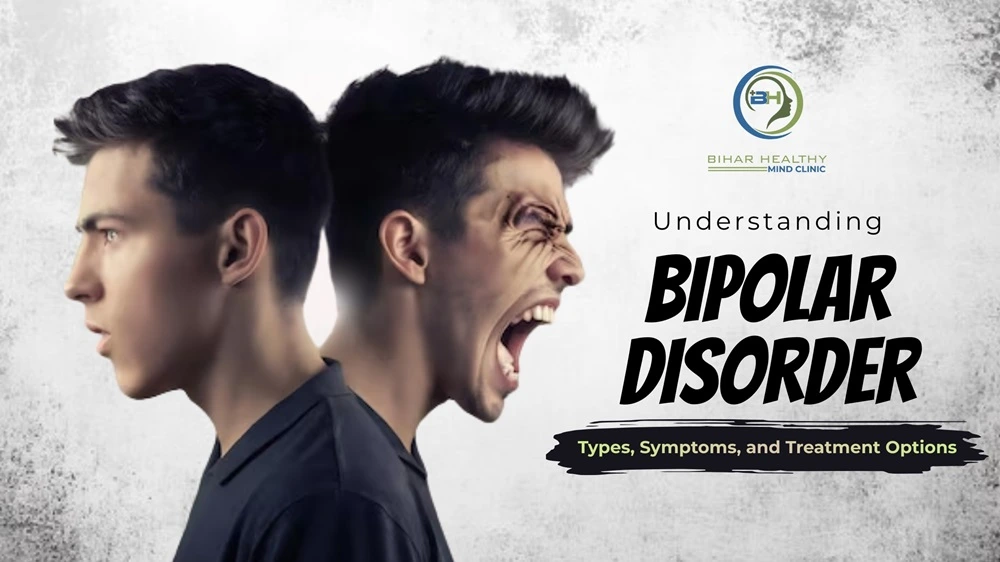
Bipolar disorder is a complex mental health condition that significantly impacts mood, energy, and behavior. If you’re struggling to identify your symptoms or wondering what type of disorder is bipolar disorder, it’s crucial to seek expert care. At Patna Psychiatry, Dr. Saurabh Kumar, MD (Psychiatry), offers comprehensive guidance and personalized treatment plans. Consulting the best psychiatrist in Patna ensures accurate diagnosis and effective management tailored to your unique needs.
In this blog, we’ll explore the types of bipolar disorder, bipolar disorder classification, examples of each type, symptoms, and treatment approaches. Whether you’re curious about bipolar disorder type 3, or simply want to understand what is bipolar disorder, this guide provides clarity from a professional bipolar disorder perspective.
What Is Bipolar Disorder? Understanding the Basics
Bipolar disorder is classified as a mood disorder and is also recognized as a neuropsychiatric disorder. It involves cycles of extreme mood changes, including mania or hypomania (emotional highs) and depression (emotional lows). These mood swings can affect relationships, academic or work performance, sleep patterns, and overall quality of life.
Bipolar Disorder Meaning
The bipolar disorder meaning lies in its two-pole characteristic, emotional highs and lows. Patients may experience intense energy, impulsive behavior, or euphoria during manic episodes, while depressive episodes bring fatigue, hopelessness, and difficulty concentrating. Understanding this pattern is essential for early intervention.
-
Key Features of Bipolar Disorder:
- High energy, euphoria, impulsivity
- Low mood, fatigue, hopelessness
- Emotional highs and lows
- Affects work, school, and relationships
Bipolar Disorder Symptoms
Recognizing bipolar disorder symptoms early can prevent complications and improve long-term outcomes. Early detection helps individuals manage mood swings, reduce risky behavior, maintain relationships, and achieve better academic or professional performance, ensuring a healthier and more stable lifestyle.
-
Common signs include:
- Extreme mood swings from elation to sadness
- Irritability or agitation during manic phases
- Sleep disturbances, connecting to sleep disorders
- Difficulty concentrating or making decisions
- Impulsive or risky behavior
- Changes in appetite and energy levels
It’s important to remember that these symptoms vary depending on the type of bipolar affective disorder. Accurate diagnosis by a qualified psychiatrist is critical.
Types of Bipolar Disorder and Classification
Understanding the bipolar disorder classification helps tailor treatment effectively. Every type of bipolar disorder presents unique features and specific patterns in mood fluctuations.
Bipolar I Disorder
Bipolar I is characterized by severe manic episodes lasting at least seven days, often accompanied by depressive episodes. Mania can impair social or occupational functioning, sometimes requiring hospitalization. Examples of bipolar disorder examples for Type I include: extreme euphoria, high energy, impulsive decisions, and rapid speech. Early management with medications and therapy is crucial for stability.
Bipolar II Disorder
Bipolar II involves hypomanic episodes (less intense than full mania) and major depressive episodes. Individuals may experience longer periods of depression than elevated moods, making it harder to recognize without professional evaluation. Consulting the best psychiatrist in Patna can help differentiate between Type II and other mood disorders.
Cyclothymic Disorder and Bipolar Type 3
Cyclothymia or bipolar type 3 is characterized by milder mood swings over at least two years. Patients experience periods of hypomanic and depressive symptoms that do not meet the criteria for Bipolar I or II. Symptoms may still affect daily functioning, requiring lifestyle management, therapy, and sometimes medication. Recognizing bipolar type 3 early can prevent progression to more severe forms.
Other Specified and Unspecified Bipolar Disorders
Some patients do not fit the strict criteria of the classic types but still experience mood instability. Such cases are classified as either other specified or unspecified forms of bipolar disorder. These conditions may overlap with anxiety disorders, sleep disorders or substance related challenges. Professional intervention ensures proper classification and tailored treatment.
Examples and Case Scenarios of Bipolar Disorder
Bipolar Disorder Examples in Daily Life
Understanding bipolar disorder examples in daily life can make it easier to recognize patterns and symptoms early. By observing emotional highs and lows, changes in energy, behavior, and mood, both patients and caregivers can identify when professional intervention may be necessary. These case examples assist psychiatrists in tailoring personalized management strategies that include medication, psychotherapy, and lifestyle adjustments to improve stability, productivity, and overall quality of life.
-
Examples can help identify patterns:
- Type I: An individual feels euphoric, takes risky financial decisions, and later experiences severe depression.
- Type II: A person cycles between low-energy depression and mild periods of elevated mood affecting work or school.
- Type 3: Mild ups and downs in mood over years without significant functional impairment but causing stress and sleep issues.
Case examples help psychiatrists provide personalized management plans, combining medication, therapy, and lifestyle modification.
Differential Diagnosis
Bipolar disorder can mimic or coexist with other neuropsychiatric disorders like ADHD, anxiety, or borderline personality disorder. Correct classification is vital to avoid misdiagnosis and ensure effective treatment. This is why consultation with specialists at Patna Psychiatry is highly recommended.
Diagnosis of Bipolar Disorder
Diagnosing bipolar disorder involves a detailed psychiatric evaluation, medical history, and sometimes psychological tests.
-
Clinicians consider:
- Frequency and severity of mood swings
- Duration of manic or depressive episodes
- Impact on daily life and relationships
- Family history of psychiatric disorders
Accurate diagnosis ensures patients receive targeted treatment, whether for bipolar disorder type 3 or more severe types.
Treatment Options for Bipolar Disorder
Medication
Medications such as mood stabilizers, antipsychotics, and antidepressants are commonly prescribed depending on the type of bipolar affective disorder. Medication helps reduce symptom severity and prevent recurrence.
Psychotherapy and Lifestyle Management
Therapies like cognitive behavioral therapy, family-focused therapy, and psychoeducation are essential. Managing sleep, diet, stress, and daily routines supports mood stability. Treatment plans often include internal counseling for sleep issues, linking to Sleep Disorders interventions naturally.
Early Intervention and Ongoing Care
Regular follow-ups with the best psychiatrist in Patna help monitor progress, adjust medications, and address emerging symptoms. Patient education on recognizing early warning signs improves long-term outcomes.
When to Seek Professional Help
It is essential to recognize when your mood swings, emotional shifts, or behavioral changes are beyond normal variations and may indicate a serious mental health condition. Seeking timely professional help ensures proper diagnosis, prevents escalation of symptoms, and allows for personalized treatment strategies that improve daily functioning, relationships, and overall quality of life.
-
Seek professional care if you notice:
- Extreme mood swings affecting daily life
- Prolonged depressive or manic episodes
- Suicidal thoughts or self harm
- Difficulty functioning socially or professionally
Timely intervention prevents complications and enhances recovery.
Conclusion
Bipolar disorder is a treatable condition, but understanding types of bipolar disorder and accurate bipolar disorder classification is essential. Whether it’s bipolar type 3, Type I or II, or milder forms, early diagnosis and personalized care improve quality of life. Dr. Saurabh Kumar at Patna Psychiatry provides comprehensive psychiatric care, combining medications, therapy, and lifestyle guidance to help patients manage symptoms effectively. Recognizing bipolar disorder symptoms and seeking help from the best psychiatrist in Patna ensures a proactive approach to mental health.
Visitors: 74
Leave a Comment
Comments (0)
Recent Posts
-
 Repetitive Rumination: Understanding Why It Happens and How to Manage Repetitive Thoughts
-
 CBT Therapy Explained: How Cognitive Behavioral Therapy Helps Mental Illness
-
 Conduct Disorder Definition, Symptoms, and Diagnosis in Children
-
 How to Relax Mind from Stress: 5 Simple Expert Tips
-
 How to Increase Sex Hormone in Females: Understanding Hormones That Affect Sexual Health
No comments yet.