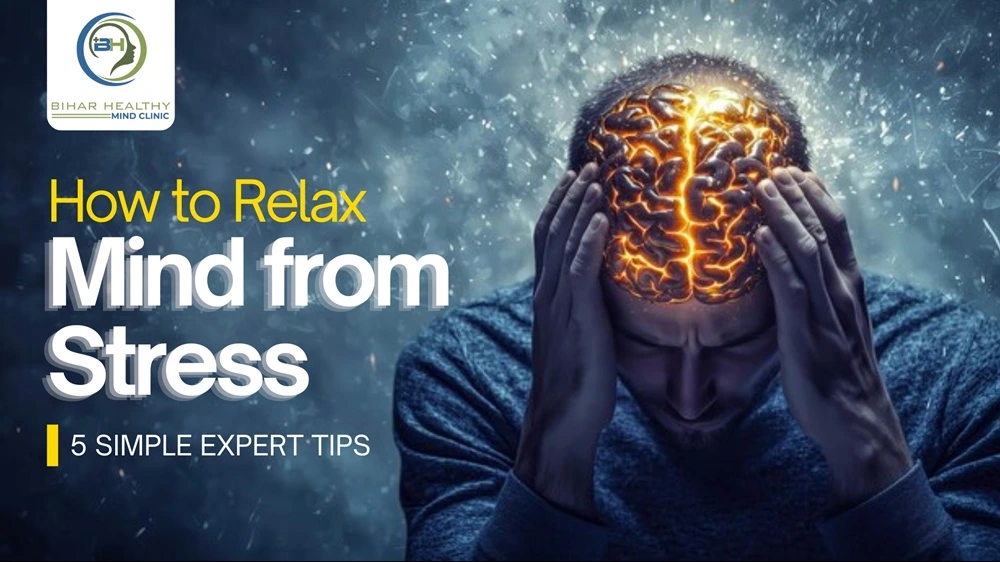
In today’s fast paced lifestyle, stress has silently become one of the biggest threats to mental well being. Work pressure, relationship challenges, financial worries, and digital overload often leave people searching for answers on how to remove stress from mind and regain emotional balance. While stress is a natural response, unmanaged mental pressure can lead to anxiety, sleep disorders, irritability, and long term psychiatric concerns.
This blog explores practical, psychiatrist-recommended strategies to show you how to relax mind from stress, helping to regain emotional balance, build resilience, and maintain long-term mental wellness. It also highlights when seeking professional help from the best psychiatrist in Patna is essential for personalized care.
Why Managing Mental Stress Is Crucial for Emotional Well Being
Mental stress does not only affect thoughts, it impacts sleep, concentration, physical health, and interpersonal relationships. Learning how to reduce mental stress early can prevent more serious psychological conditions later in life.
The Hidden Effects of Unmanaged Stress
Unmanaged stress does not remain limited to occasional worry or mental discomfort. When stress becomes persistent, it begins to affect both psychological functioning and physical health. Continuous mental pressure disrupts the brain’s ability to regulate emotions, sleep, and concentration, gradually reducing overall quality of life. Over time, these unchecked stress responses can increase vulnerability to anxiety disorders, depression, and other psychiatric conditions, making early stress management essential for maintaining a stress free mind.
-
When stress persists, it can manifest as:
- Chronic fatigue and sleep disturbances
- Frequent headaches and body pain
- Difficulty focusing and memory lapses
- Emotional instability and mood swings
Over time, these symptoms may require professional psychiatric intervention. This is why mental health experts emphasize proactive stress management for a stress free mind.
When Professional Support Becomes Important
Sometimes, despite practicing lifestyle adjustments, mindfulness, and self-care techniques, stress continues to affect daily functioning. Persistent mental pressure can interfere with work performance, relationships, and overall well-being. In such cases, seeking professional guidance becomes essential to understand the underlying causes and receive structured treatment. Consulting a qualified mental health specialist ensures that strategies for a stress free mind are tailored to individual needs, combining safe, effective, and evidence-based approaches.
-
Signs that professional support may be needed include:
- Continuous worry or tension that doesn’t improve with self-care
- Difficulty managing emotions or frequent mood swings
- Trouble concentrating, memory lapses, or reduced productivity
- Physical symptoms like headaches, fatigue, or sleep disturbances linked to stress
Develop Awareness to De-Stress Your Mind
Stress often feels overwhelming because people react automatically rather than consciously. Developing mental awareness is the first step in learning how to de stress your mind.
Practice Mindful Observation
Mindfulness is a powerful tool for learning how to de-stress your mind because it helps you become aware of stress triggers without reacting impulsively. By paying close attention to thoughts, emotions, and bodily sensations, you create a mental space that allows calm, deliberate responses rather than automatic reactions. Regular mindfulness practice strengthens emotional regulation, reduces anxiety, and supports a stress free mind in daily life.
-
Simple mindfulness techniques include:
- Observing your breathing patterns and focusing on each inhale and exhale
- Noticing emotional responses as they arise without judgment or reaction
- Pausing before making decisions when under pressure to respond thoughtfully
Consistent practice of these techniques trains the brain to respond calmly, helping individuals understand how to relax their mind from stress effectively.
Build Daily Mental Check-Ins
Regularly checking in with your emotional state is a simple yet effective way to manage stress before it escalates. By taking just a few minutes each day to observe your feelings and thoughts, you can identify early signs of tension and take timely action. This proactive approach helps you understand how to destress yourself in real time and prevents stress from silently accumulating, supporting a healthier, more balanced stress free mind.
-
Ways to build daily mental check-ins include:
- Set aside 5-10 minutes each day for self-reflection
- Check in with your emotional, physical, and mental state.
- Note any stress triggers or recurring thoughts
These small daily habits allow you to maintain awareness of your mental state and strengthen your ability to respond calmly to stressors.
Create a Routine That Supports a Stress Free Mind
A structured lifestyle plays a major role in maintaining mental stability. Irregular routines often contribute to heightened anxiety and emotional fatigue.
Maintain Sleep and Wake Cycles
Sleep plays a critical role in regulating mental and physical health. Poor or irregular sleep patterns not only result from stress but also worsen it, creating a cycle that can be difficult to break. By maintaining consistent sleep and wake cycles, the brain and body are given the opportunity to recover naturally, improving focus, mood, and resilience. This habit is essential for anyone looking to understand how to relax mind from stress and maintain a stress free mind.
-
Tips to maintain healthy sleep cycles include:
- Maintain a consistent sleep schedule, even on weekends.
- Avoid screens and bright lights before bedtime.
- Create a calm and comfortable sleep environment
- Limit caffeine and heavy meals in the evening
Following these practices supports emotional stability and enhances the ability to manage daily stressors effectively.
Balance Work and Personal Time
Maintaining a healthy balance between work and personal life is essential for preventing burnout and supporting mental wellness. Overworking without proper mental breaks can increase stress levels, reduce productivity, and negatively affect emotional health. By establishing clear boundaries, individuals can manage responsibilities effectively while learning how to relax mind from stress without guilt, ultimately promoting a stress free mind and sustainable daily routine.
-
Ways to balance work and personal time include:
- Establish clear daily start and finish times for work.
- Schedule regular short breaks during work hours to recharge
- Dedicate time to hobbies, exercise, or relaxation techniques
- Do not check work emails or messages during personal time.
Practicing these strategies helps maintain focus, emotional stability, and overall life satisfaction, reducing the accumulation of mental stress.
Use Physical Movement to Remove Stress from Mind
The mind and body are deeply connected. Physical movement releases neurochemicals that naturally reduce stress levels.
Engage in Gentle Physical Activity
Physical movement is one of the most effective ways to manage stress because the mind and body are closely connected. Gentle exercises not only improve blood circulation but also stimulate the release of endorphins, natural chemicals that promote feelings of well being. Regular movement helps calm the nervous system and supports emotional stability, making it an essential strategy for anyone seeking how to remove stress from mind naturally.
-
Recommended gentle physical activities include:
- Walking in a park or open space to refresh the mind
- Practicing yoga or stretching exercises to release tension
- Light aerobic exercises such as cycling or swimming
- Short movement breaks during work to reduce accumulated stress
Incorporating these habits consistently strengthens mental resilience and contributes to a healthier, stress free mind.
Consistency Matters More Than Intensity
When it comes to physical activity for stress relief, the key is consistency rather than intensity. You don’t need extreme workouts or long hours at the gym to experience benefits. Regular movement, even for just 20 minutes a day, can significantly enhance emotional stability, boost mood, and contribute to a stress free mind. Gradual, consistent effort supports long term mental and physical well being while teaching the brain to cope with daily stressors effectively.
-
Tips to maintain consistent physical activity:
- Engage in light exercises like walking, jogging, or stretching daily
- Practice yoga or gentle movement routines at a convenient time
- Create achievable goals and monitor progress to stay motivated.
This approach helps individuals understand how to relax mind from stress naturally and sustainably.
Strengthen Emotional Expression and Communication
Suppressing emotions often increases mental pressure. Expressing feelings in healthy ways is essential for those seeking how to reduce mental stress effectively.
Talk Without Fear of Judgment
Open communication is a vital component of learning how to reduce mental stress effectively. Suppressing emotions often intensifies internal pressure, whereas sharing your feelings with trusted individuals can lighten the emotional load. Speaking freely in a safe, supportive environment allows you to process emotions constructively and gain perspective on stressors. At Patna Psychiatry, patients benefit from confidential therapeutic sessions that provide a secure space to express concerns under the guidance of the best psychiatrist in Patna.
-
Ways to communicate without fear of judgment include:
- Confide in trusted family members or close friends about your feelings
- Engage in professional counseling or therapy sessions for unbiased guidance
- Use journaling or voice notes as private ways to express thoughts
- Practice active listening when discussing emotions with others
These practices help release emotional tension, improve clarity, and support a calmer, more resilient stress free mind.
Learn Emotional Regulation Skills
Effectively managing emotions is a key component of reducing mental stress. Many people unknowingly suppress feelings, which can intensify anxiety and lead to a stress free mind being harder to achieve. Psychiatric counselling provides strategies to process emotions constructively, helping individuals respond to challenges with clarity and calm. Learning these skills is an essential step in understanding how to de-stress your mind and maintain long-term emotional balance.
-
Techniques for improving emotional regulation include:
- Challenging negative thought patterns with rational reflection
- Expressing emotions safely through journaling, conversation, or creative outlets
- Using cognitive behavioral strategies to reframe stress inducing situations
Mastering emotional regulation not only reduces immediate stress but also strengthens resilience against future mental strain.
Seek Psychiatric Guidance When Stress Becomes Chronic
While self help strategies are useful, persistent stress often requires expert care.
Understanding Medical Stress Management
When stress becomes chronic or significantly interferes with daily life, professional psychiatric care can provide structured solutions. At this stage, treatment goes beyond lifestyle changes and self help techniques. Psychiatric interventions may include therapy, personalized lifestyle guidance, or medication depending on individual needs. This structured approach addresses the root causes of stress, helping patients learn how to get rid of mental stress effectively and achieve a sustainable, stress free mind.
-
Key components of medical stress management include:
- Cognitive-behavioral, talk therapy, or mindfulness based techniques
- Personalized plans for sleep, nutrition, and daily routines
- Prescribed to manage anxiety, depression, or severe stress symptoms
- Regular follow-ups to track progress and adjust treatment
By combining these strategies, patients gain long term skills to manage stress and maintain emotional balance under professional supervision.
Why Choosing the Right Psychiatrist Matters
Choosing the right psychiatrist is vital for managing stress and maintaining emotional balance. A qualified professional provides accurate diagnosis, ethical, evidence-based treatment, and personalized strategies for a stress free mind.
-
Reasons why choosing the right psychiatrist is important:
- Ensures accurate diagnosis of underlying mental health conditions
- Provides ethical and personalized treatment plans
- Offers guidance on long term stress management strategies
- Helps patients understand how to get rid of mental stress safely
At Patna Psychiatry, Dr. Saurabh Kumar, MD (Psychiatry), recognized as one of the best psychiatrist in Patna, delivers phenomenal, patient-focused care that addresses both immediate stress and long-term mental wellness.
How Patna Psychiatry Supports Long Term Stress Relief
Patna Psychiatry focuses on holistic mental healthcare, combining clinical expertise with empathy. Whether someone is struggling with daily stress or deeper emotional challenges, the clinic offers evidence based solutions designed for sustainable mental peace.
Personalized Treatment Approach
Every patient receives a customized care plan that addresses both psychological and lifestyle factors contributing to stress.
A Safe Space for Mental Healing
With ethical practices and professional expertise, Patna Psychiatry continues to be a trusted choice for individuals seeking a healthier, calmer life.
Conclusion: Building a Calm Mind Is a Continuous Journey
Learning how to relax mind from stress is not about eliminating challenges but about strengthening mental resilience. By adopting mindful habits, maintaining routines, expressing emotions, and seeking expert guidance when needed, individuals can achieve lasting emotional balance. With support from Patna Psychiatry and the guidance of the best psychiatrist in Patna, managing stress becomes a structured and achievable process.
Visitors: 60
Leave a Comment
Comments (0)
Recent Posts
-
 Repetitive Rumination: Understanding Why It Happens and How to Manage Repetitive Thoughts
-
 CBT Therapy Explained: How Cognitive Behavioral Therapy Helps Mental Illness
-
 Conduct Disorder Definition, Symptoms, and Diagnosis in Children
-
How to Relax Mind from Stress: 5 Simple Expert Tips
-
 How to Increase Sex Hormone in Females: Understanding Hormones That Affect Sexual Health
No comments yet.