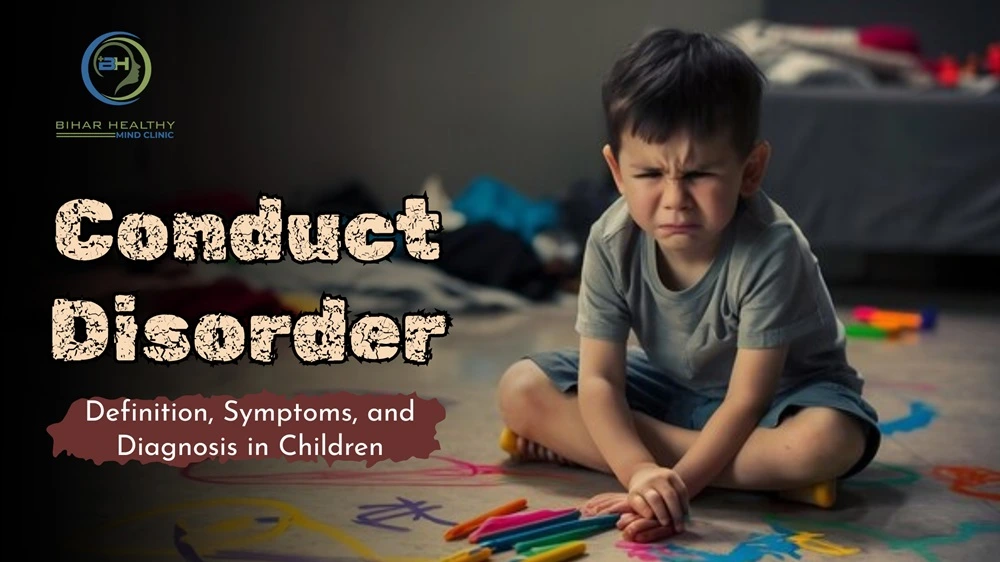
Conduct disorder is a complex behavioral condition affecting children and adolescents. Understanding conduct disorder definition and recognizing early warning signs is crucial for timely intervention. Children with this disorder often display persistent patterns of disorderly conduct, such as aggression toward people or animals, destruction of property, deceitfulness, and serious rule violations.
At Patna Psychiatry, children receive comprehensive evaluation and support under Dr. Saurabh Kumar, MD (Psychiatry), widely regarded as the best child psychiatrist in Patna. This blog explains the etiology of conduct disorder, common conduct disorder symptoms, diagnostic procedures, and effective conduct disorder treatment approaches.
Understanding Conduct Disorder in Children
Conduct disorder is more than occasional misbehavior; it is a chronic psychiatric condition that significantly affects a child’s social, academic, and emotional development. Knowing types of conduct disorders and their manifestations helps caregivers, teachers, and mental health professionals intervene appropriately.
Conduct Disorder Meaning and Definition
The conduct disorder meaning refers to a repetitive and persistent pattern of behavior in children in which the basic rights of others or major age-appropriate societal norms are violated. Children exhibiting this disorder often show behaviors that go beyond normal mischief and can significantly impact their social, academic, and emotional development. Recognizing these behaviors early is essential for timely intervention and prevention of long-term challenges in adolescence and adulthood.
-
Common behaviors include:
- Aggression toward people or animals
- Destruction of property
- Lying, stealing, or cheating
- Serious violations of rules
Early detection allows caregivers and mental health professionals to implement effective conduct disorder treatment and support a child’s emotional and social growth, guided by experts such as the best child psychiatrist in Patna.
Types of Conduct Disorders
Children with conduct disorder can display a variety of behavioral patterns, and understanding the types of conduct disorders helps in planning effective interventions. Classification is typically based on the age at which symptoms first appear, as different types may require tailored approaches for optimal management of conduct disorder. Early identification of the type also aids caregivers and mental health professionals in providing timely support and guidance.
-
The main types include:
- Childhood-onset type: Symptoms appear before age 10 and may involve aggression toward peers and adults.
- Adolescent-onset type: Behaviors begin after age 10 and are often less severe but can include deceitfulness or rule breaking.
- Unspecified onset: The exact age of onset is unknown, requiring careful assessment for proper treatment.
Recognizing the type of conduct disorder early allows for personalized conduct disorder treatment and helps children develop healthier behavioral patterns under guidance from the best child psychiatrist in Patna.
Etiology of Conduct Disorder
Understanding the etiology of conduct disorder is key to effective prevention and treatment. Research shows that both environmental and biological factors contribute to its development.
Genetic and Biological Factors
Biological and hereditary factors play a significant role in the development of conduct disorder. Children with a family history of psychiatric conditions or temperament issues may be more susceptible to persistent disorderly conduct. Additionally, neurobiological differences, including abnormalities in brain areas that regulate emotion, impulse control, and behavior, can increase the likelihood of developing the disorder. Understanding these factors is crucial for early intervention and effective management of conduct disorder.
-
Key genetic and biological contributors include:
- Family history of psychiatric or behavioral disorders
- Inherited temperament traits such as impulsivity or aggression
- Neurobiological differences affecting emotional regulation and behavior
- Brain region abnormalities linked to decision-making and impulse control
Identifying these factors early allows caregivers and mental health professionals to implement targeted conduct disorder treatment and guide children toward healthier behavioral patterns under the care of the best child psychiatrist in Patna.
Environmental and Social Factors
A child’s surroundings and social experiences play a crucial role in the development of conduct disorder. Environmental stressors and social influences can trigger or worsen disorderly conduct behaviors, especially when combined with biological predispositions. Understanding these factors is essential for early intervention and effective management of conduct disorder.
-
Key environmental and social contributors include:
- Dysfunctional family dynamics, including conflict or lack of emotional support
- Exposure to violence, neglect, or traumatic events
- Inconsistent parenting or overly harsh discipline
- Peer influences that encourage rule breaking or aggressive behavior
- School related stress and academic challenges
Addressing these factors with structured support and guidance allows children to develop healthier coping mechanisms. Professional intervention from the best child psychiatrist in Patna ensures a comprehensive conduct disorder treatment plan tailored to each child’s needs.
Conduct Disorder Symptoms
Recognizing conduct disorder symptoms early ensures timely care and prevents escalation. Symptoms can vary based on age and the severity of the disorder.
Emotional and Behavioral Signs
Children with conduct disorder often display persistent emotional and behavioral challenges that go beyond typical childhood mischief. Recognizing these conduct disorder symptoms early is essential for timely intervention and effective conduct disorder treatment. These behaviors can interfere with social relationships, school performance, and overall emotional well being.
-
Common emotional and behavioral signs include:
- Frequent temper tantrums and irritability
- Aggressive or threatening behaviors toward peers or adults
- Defiance of authority figures such as parents or teachers
- Lack of empathy and disregard for others’ feelings
Early identification of these signs allows caregivers and professionals to implement tailored interventions under the guidance of the best child psychiatrist in Patna, improving long term social and emotional outcomes.
Social and Academic Impact
Conduct disorder not only affects a child’s emotions and behavior but also has significant social and academic consequences. Early recognition of these conduct disorder symptoms is essential for implementing effective conduct disorder treatment and preventing long term difficulties in education and social relationships.
-
Common social and academic impacts include:
- Truancy, academic failure, or frequent conflicts with teachers
- Difficulty maintaining friendships or forming positive peer relationships
- Engaging in illegal, risky, or antisocial activities
Timely detection and professional intervention by the best child psychiatrist in Patna can help children develop healthier social skills, improve academic performance, and reduce instances of disorderly conduct.
Diagnosis of Conduct Disorder
Accurate diagnosis is essential for effective management of conduct disorder. Mental health professionals evaluate behavioral patterns and use standardized tools.
Clinical Assessment
Accurate diagnosis is essential for effective management of conduct disorder. A comprehensive clinical assessment helps mental health professionals understand the child’s behavior, emotional state, and social interactions across different environments. Early and thorough evaluation is crucial for planning a personalized conduct disorder treatment strategy.
-
Key components of a clinical assessment include:
- Detailed medical and psychiatric history of the child
- Observation of behavior in multiple settings, such as home and school
- Interviews with parents, teachers, and the child to gather insights
A well-conducted assessment under the guidance of the best child psychiatrist in Patna ensures accurate diagnosis and forms the foundation for tailored interventions.
Diagnostic Criteria
For effective conduct disorder treatment, an accurate diagnosis is essential. Psychiatrists rely on standardized guidelines to identify persistent patterns of problematic behavior. Following established criteria ensures that interventions are tailored to the child’s specific needs and severity of symptoms.
-
Key aspects of diagnostic criteria include:
- Persistent patterns of violating societal norms or rules
- Repeated aggression toward people or animals
- Destruction of property and engagement in deceitful or manipulative behavior
- Serious violations of rules appropriate to the child’s age
Applying these criteria allows the best child psychiatrist in Patna to create a personalized treatment plan that addresses both behavioral challenges and underlying emotional issues, improving long term outcomes.
Management and Treatment of Conduct Disorder
Effective conduct disorder treatment combines therapy, family support, and sometimes medication. Early intervention improves long-term outcomes.
Behavioral and Psychosocial Interventions
Effective conduct disorder treatment often begins with behavioral and psychosocial interventions, which focus on modifying disruptive behaviors and enhancing social and emotional skills. These interventions empower both children and their caregivers to manage symptoms and promote positive development.
-
Key behavioral and psychosocial interventions include:
- Parent Management Training: Teaches parents techniques to reinforce positive behavior and reduce negative patterns
- Cognitive Behavioral Therapy (CBT): Helps children manage anger, develop problem-solving skills, and cope with challenging situations
- Social Skills Training: Improves peer interactions, fosters empathy, and enhances communication skills
Implementing these interventions under professional guidance from the best child psychiatrist in Patna ensures structured and effective management of conduct disorder, supporting long term emotional and social growth.
Medication and Supportive Care
While behavioral therapy remains the cornerstone of conduct disorder treatment, some children may require additional medical support to manage severe aggression or coexisting conditions such as ADHD or anxiety. Combining therapy with supportive care ensures a holistic approach to a child’s mental health.
-
Key aspects of medication and supportive care include:
- Use of medication to reduce aggression or impulsivity when necessary
- Track and modify treatment according to the child’s progress.
- Integrating therapy and family support for comprehensive care
- Guidance on coping strategies and emotional regulation
At Patna Psychiatry, children benefit from structured, patient-centered care under the guidance of the best child psychiatrist in Patna, ensuring effective management of disorderly conduct and long term mental wellness.
Why Early Intervention Matters
Prompt recognition and treatment can prevent escalation into adolescent antisocial behavior or adult criminality. Structured therapy, family involvement, and professional monitoring help children achieve emotional regulation and social adaptation.
Benefits of Professional Care
Professional intervention plays a vital role in the effective management of conduct disorder. Seeking guidance from trained mental health specialists helps children develop healthier behaviors and prevents the escalation of symptoms into adolescence or adulthood. Early professional care also supports families in creating a structured and positive environment for the child.
-
Key benefits of professional care include:
- Reduces the frequency and severity of disorderly conduct
- Improves family dynamics and peer relationships
- Supports academic progress and school engagement
- Enhances long term emotional and mental health outcomes
Timely involvement of experts, such as the best child psychiatrist in Patna, ensures children receive personalized conduct disorder treatment, fostering positive behavioral and emotional development.
Conclusion
Understanding conduct disorder definition, symptoms, and diagnosis is the first step in helping children lead healthier, socially adjusted lives. Early detection, combined with evidence based conduct disorder treatment and guidance from professionals like Dr. Saurabh Kumar, MD (Psychiatry), the best child psychiatrist in Patna, can transform a child’s developmental trajectory and emotional well being.
Visitors: 51
Leave a Comment
Comments (0)
Recent Posts
-
 Repetitive Rumination: Understanding Why It Happens and How to Manage Repetitive Thoughts
-
 CBT Therapy Explained: How Cognitive Behavioral Therapy Helps Mental Illness
-
Conduct Disorder Definition, Symptoms, and Diagnosis in Children
-
 How to Relax Mind from Stress: 5 Simple Expert Tips
-
 How to Increase Sex Hormone in Females: Understanding Hormones That Affect Sexual Health
No comments yet.