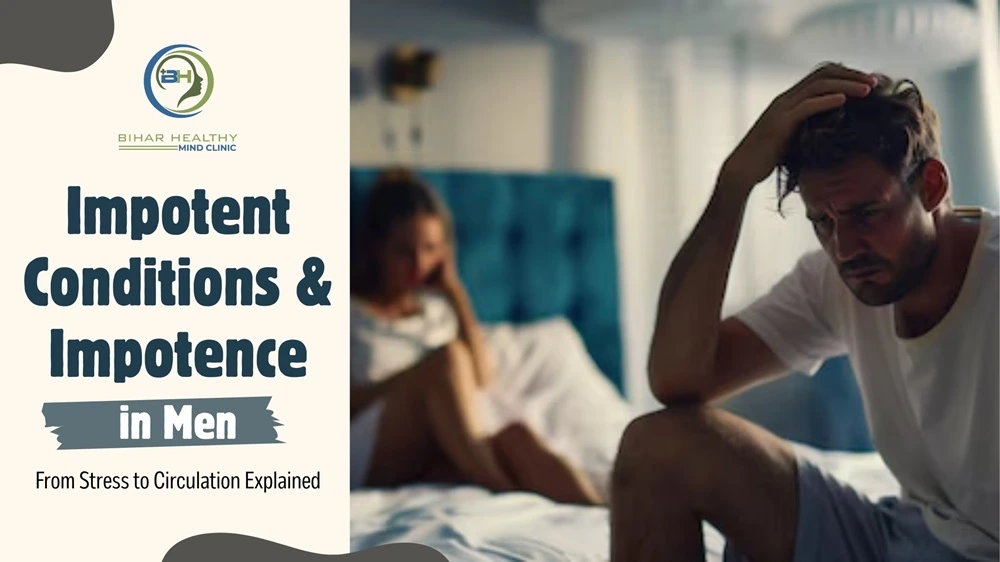
Male sexual health is closely connected to both physical and psychological well being. One of the most commonly misunderstood conditions affecting men is impotence. Many people delay reaching out for support because of social stigma or limited understanding of mental health concerns. Understanding the impotent meaning, underlying triggers, and available treatment options is essential for early recovery and improved quality of life.
From a clinical sexology perspective, impotence in men is rarely caused by a single factor. Instead, it often develops due to a combination of emotional stress, lifestyle habits, hormonal imbalance, and circulatory problems. At Patna Psychiatry, individuals receive structured and confidential care under the guidance of Dr. Saurabh Kumar, MD (Psychiatry), with access to comprehensive sexual health management and referral to the best sexologist in Patna when required.
Understanding Impotence in Male Sexual Health
What Is Impotence in Male Health?
Many people ask, what is impotence in male medical terms? Impotence is a condition in which a man repeatedly struggles to attain or sustain an erection adequate for fulfilling sexual activity. The impotent meaning goes beyond physical limitations and often involves psychological, emotional, and relational factors.
Another common query is what is impotent man behaviorally. An impotent man may experience frustration, anxiety, reduced self-confidence, or withdrawal from intimacy. These emotional responses often worsen the condition if left unaddressed.
-
Common Signs and Behavioral Indicators of Impotence
- Persistent difficulty in achieving or maintaining erections
- Emotional distress such as anxiety, frustration, or low confidence
- Psychological and relational factors influencing sexual performance
- Behavioral changes including withdrawal from intimacy and relationships
Impotence in Men Is More Common Than Assumed
Impotence in men affects individuals across different age groups, not just older adults. Stressful work environments, relationship conflicts, anxiety disorders, and lifestyle related health issues have increased its prevalence among younger men as well.
-
Contributing Lifestyle and Psychological Factors
- Rising cases among younger men due to modern lifestyle stress
- Strong link with anxiety disorders and emotional pressure
- Relationship conflicts contributing to sexual health issues
- Lifestyle related factors increasing overall risk of impotence
Recognizing Symptoms of Impotence Early
Impotence Symptoms That Should Not Be Ignored
Identifying impotence symptoms early helps prevent long term emotional and relational distress. Common signs include difficulty achieving erections, reduced sexual desire, or inconsistent sexual performance.
-
Common early symptoms include:
- Difficulty achieving or sustaining erections
- Decreased sexual desire or interest
- Inconsistent sexual performance
- Increased performance related anxiety
Symptoms of Impotent Man Beyond the Physical
The symptoms of impotent man are not limited to sexual function alone. Emotional changes often accompany the condition, including irritability, low mood, anxiety, and avoidance of intimacy. Impotent man behaviour may involve social withdrawal, excessive self-blame, or strained partner communication.
-
Behavioral and emotional signs may include:
- Increased anxiety or emotional distress
- Withdrawal from intimacy or relationships
- Reduced self-esteem and confidence
- Communication challenges with partners
Causes of Male Impotence - A Comprehensive View
Psychological and Emotional Triggers
Among the major causes of male impotence, psychological factors play a crucial role. Chronic stress, performance anxiety, depression, unresolved trauma, and relationship dissatisfaction can interfere with sexual response. Anxiety disrupts the brain body connection required for arousal, making sexual performance difficult even in physically healthy individuals.
-
Key psychological contributors include:
- Chronic stress and mental fatigue
- Performance anxiety and fear of failure
- Depression and persistent low mood
- Unresolved emotional trauma or past experiences
- Relationship conflicts and emotional dissatisfaction
Physical and Circulatory Causes
Physical health issues are also significant causes of male impotence. Poor blood circulation, diabetes, high blood pressure, obesity, and hormonal imbalances directly affect erectile function. Lifestyle habits such as smoking, alcohol use, and lack of physical activity further worsen the condition by impairing vascular health.
-
Common physical and lifestyle related causes include:
- Poor blood circulation and vascular disorders
- Diabetes and nerve-related complications
- High blood pressure and heart conditions
- Obesity and hormonal imbalances
- Smoking, excessive alcohol intake, and lack of exercise
The Mind Body Connection in Impotence
How Stress and Anxiety Affect Sexual Performance
Sexual arousal requires both mental relaxation and physical readiness. When stress or anxiety persists, the body remains in a constant “fight or flight” state, disrupting nerve signaling and reducing blood flow to the genital area. Over time, this stress response contributes to persistent erectile difficulties. From a psychiatric perspective, Cognitive Behavioral Therapy (CBT) plays a key role in identifying stress driven thought patterns and correcting performance related anxiety under the guidance of the best sexologist in Patna.
-
Key Psychological Effects of Stress on Sexual Health
- Reduced blood circulation to sexual organs
- Overactivation of stress hormones like cortisol
- Difficulty focusing on arousal and intimacy
- Increased performance related anxiety
Depression and Sexual Dysfunction
Depression affects sexual health by lowering libido, motivation, and emotional connection. Men experiencing depressive symptoms may misinterpret sexual challenges as personal failure, which further worsens impotence symptoms. Structured psychiatric care, including Cognitive Behavioral Therapy (CBT), helps break this negative thinking cycle by improving self-perception and emotional regulation when managed by the best sexologist in Patna.
-
Emotional and Behavioral Impacts of Depression
- Decreased sexual desire and motivation
- Feelings of guilt, shame, or low self-worth
- Avoidance of intimacy and partner communication
- Reinforcement of erectile difficulties through negative thinking
This structured, mind body approach helps in understanding why treating psychological factors is just as important as addressing physical causes in impotence management.
Can Impotence Be Cured? Understanding Treatment Options
Is There an Effective Impotence Cure?
A common concern among patients is can impotence be cured. The answer depends on the underlying cause. In many cases, impotence is highly treatable when addressed early. Psychological counseling, lifestyle modification, and medical treatment often lead to significant improvement.
An effective impotence cure focuses on treating both physical and emotional contributors rather than symptoms alone.
Role of Professional Sexual Health Care
At Patna Psychiatry, sexual health concerns are handled with confidentiality and sensitivity. A comprehensive evaluation helps determine whether impotence is primarily psychological, physical, or mixed. Patients may be guided toward therapy, stress management, medication when clinically required, or referral to the best sexologist in Patna for specialized care.
Long Term Management and Recovery
Lifestyle Changes That Support Recovery
Healthy lifestyle habits play an essential role in recovery. Regular exercise, balanced nutrition, adequate sleep, and stress reduction improve circulation and hormonal balance. Avoiding alcohol misuse and smoking further enhances treatment outcomes.
Emotional Support and Relationship Communication
Open communication with one’s partner reduces pressure and emotional isolation. Counseling helps individuals and couples rebuild confidence, intimacy, and trust, which are vital for long term sexual health.
Conclusion
Impotence is a medical condition, not a personal failure. Understanding what is impotence in male health, recognizing impotence symptoms, and addressing the causes of male impotence early can prevent long term emotional and relational complications. With proper psychiatric evaluation, emotional support, and specialized sexual health care, recovery is achievable. At Patna Psychiatry, individuals benefit from ethical, evidence-based treatment under Dr. Saurabh Kumar, MD (Psychiatry), with access to the best sexologist in Patna for comprehensive care. Early intervention leads to improved confidence, intimacy, and overall well being.
Visitors: 103
Leave a Comment
Comments (0)
Recent Posts
-
 Repetitive Rumination: Understanding Why It Happens and How to Manage Repetitive Thoughts
-
 CBT Therapy Explained: How Cognitive Behavioral Therapy Helps Mental Illness
-
 Conduct Disorder Definition, Symptoms, and Diagnosis in Children
-
 How to Relax Mind from Stress: 5 Simple Expert Tips
-
 How to Increase Sex Hormone in Females: Understanding Hormones That Affect Sexual Health
No comments yet.