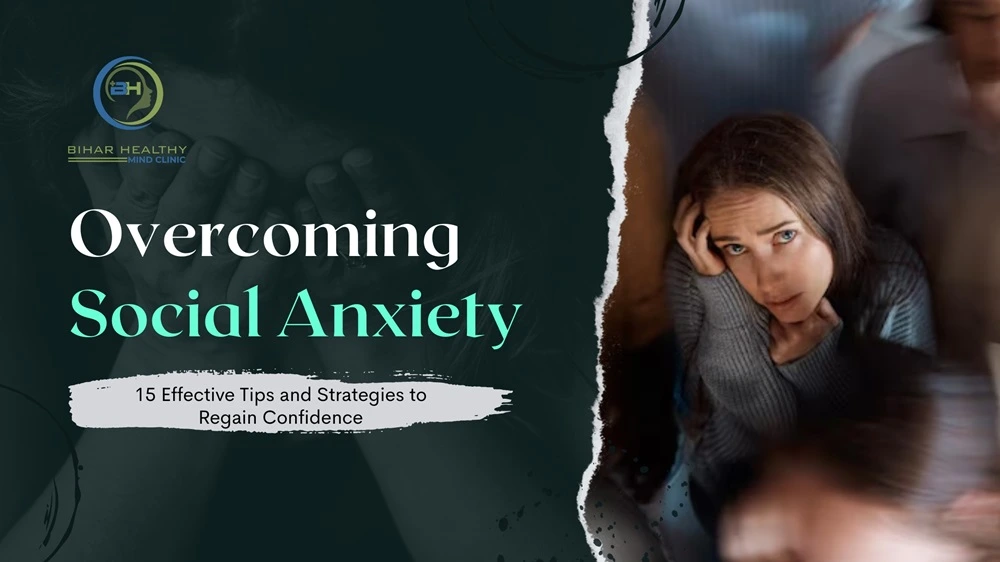
Social anxiety is a common mental health condition that can make social situations stressful and overwhelming. If you often feel nervous around others, worry about being judged, or avoid interactions, you may be experiencing social anxiety disorder. Understanding its meaning, recognizing the symptoms, and learning practical ways to manage it are essential steps toward regaining confidence and improving daily life.
At Patna Psychiatry, Dr. Saurabh Kumar, MD (Psychiatry), provides expert evaluation and personalized guidance. Consulting the best psychiatrist in Patna can help create an effective treatment plan tailored to your needs. This article explores strategies for overcoming social anxiety, including how to get rid of it, reduce its impact, and methods for long term management.
Understanding Social Anxiety Disorder
Social Anxiety Meaning and Symptoms
Social anxiety is a mental health condition marked by intense fear or worry in social situations, including meeting new people, speaking in public, or performing tasks in front of others. Individuals may constantly fear judgment, embarrassment, or negative evaluation, often leading to avoidance of social interactions and noticeable distress in daily life, affecting relationships, work, and overall confidence.
-
Social anxiety disorder symptoms may experience:
- Intense nervousness in social settings
- Avoidance of parties, meetings, or gatherings
- Physical signs may include excessive sweating, shaking, or a rapid heartbeat.
- Low self-esteem and fear of embarrassment
Understanding these symptoms is the first step toward identifying the disorder and seeking professional help. Early recognition can improve outcomes and prevent chronic issues.
How Social Anxiety Affects Daily Life
Individuals struggling with social anxiety disorder may find daily tasks, including work, education, or personal relationships, challenging. Avoiding interactions can lead to isolation, low confidence, and even depression. If left untreated, social anxiety disorder treatment becomes more complicated, highlighting the importance of timely intervention.
-
Key impacts include:
- Difficulty performing tasks at work or school due to nervousness or fear of judgment
- Challenges in forming and maintaining personal relationships
- Tendency to isolate oneself, leading to loneliness or social withdrawal
- Avoidance of events or activities that require social engagement
- Greater reliance on coping mechanisms that may not be healthy
If left untreated, social anxiety disorder treatment becomes more complex, highlighting the importance of early professional intervention.
15 Tips and Strategies for Overcoming Social Anxiety
There is no single solution for overcoming social anxiety, but combining professional guidance, self-help strategies, and lifestyle changes can significantly improve symptoms. Here are 15 effective tips:
1. Seek Professional Help
Consulting the best psychiatrist in Patna is the first step toward effectively managing social anxiety disorder. A trained professional can provide a thorough evaluation, identify the severity of symptoms, and recommend a structured treatment plan tailored to your needs. Professional care may involve therapy, medication, or a combination of both. Early intervention not only helps reduce anxiety but also prevents the condition from worsening, giving individuals practical tools to regain confidence in social situations.
2. Cognitive Behavioral Therapy (CBT)
CBT is widely regarded as one of the most effective social anxiety remedies. This therapy helps individuals identify negative thought patterns and replace them with realistic, positive thinking. CBT also equips patients with coping strategies to handle challenging social situations, such as public speaking or group interactions. Through structured sessions, people learn to respond to anxiety triggers more calmly and gradually build self-assurance, making CBT a cornerstone for how to overcome social anxiety disorder.
3. Exposure Therapy
Gradual exposure to feared social situations is a proven method for reducing anxiety over time. Starting with small, manageable interactions, such as speaking to a friend or attending a small gathering, allows individuals to build confidence. Over time, they progress to more challenging scenarios like public speaking or attending larger events. Exposure therapy teaches the mind and body to tolerate anxiety, making it easier to manage in real life situations. This approach is an essential technique for how to get rid of social anxiety safely and sustainably.
4. Practice Mindfulness and Relaxation Techniques
Mindfulness practices, including meditation, deep breathing exercises, and yoga, can significantly reduce stress and promote emotional regulation. Being present in the moment helps manage social anxiety symptoms as they occur, preventing excessive worry about past interactions or future judgments. Regular practice strengthens the mind’s ability to remain calm in social situations and reduces the physiological effects of anxiety, such as rapid heartbeat or sweating. Mindfulness is a practical strategy for anyone looking to reduce social anxiety naturally.
5. Set Realistic Goals
When overcoming social anxiety, it’s important to set achievable goals rather than trying to face every fear at once. Start with small social interactions, like greeting a colleague or participating in a brief conversation, and gradually expand your comfort zone. Monitoring your progress boosts motivation and creates a sense of achievement. Over time, setting and achieving these incremental goals strengthens confidence and teaches the individual practical ways of overcoming social anxiety in daily life.
6. Improve Social Skills
Participating in group activities or social skills workshops can significantly improve confidence and reduce anxiety. Learning essential skills such as active listening, maintaining eye contact, and assertive communication allows individuals to navigate social situations more effectively. Practice in safe, structured settings provides experience without fear of judgment, which is vital in managing social anxiety disorder symptoms. Over time, improved social competence helps individuals feel more comfortable in larger groups and public settings.
7. Challenge Negative Thoughts
A core aspect of overcoming social anxiety involves identifying and questioning negative beliefs about social situations. Thoughts like “I will embarrass myself” or “Everyone is judging me” are often exaggerated and unhelpful. Replacing them with rational alternatives, such as “I can handle this interaction” or “Most people are focused on themselves”, reduces fear and encourages positive social engagement. Challenging these thought patterns is a practical strategy for both how to cure social anxiety and improving overall confidence in social interactions.
8. Focus on the Present
One of the most effective strategies for overcoming social anxiety is learning to focus on the present moment. Many individuals with social anxiety tend to ruminate on past social mistakes or worry excessively about future interactions. This anticipatory anxiety amplifies stress and makes social situations more intimidating. Practicing mindfulness techniques, such as paying attention to your surroundings, engaging fully in conversations, or focusing on your breath, can reduce these anxious thoughts. By training your mind to stay present, you can respond to social situations calmly, improve confidence, and reduce the intensity of social anxiety symptoms over time.
9. Lifestyle Changes
Simple lifestyle adjustments can make a significant difference in managing social anxiety disorder symptoms. Adequate sleep, regular exercise, and a balanced diet enhance both physical and mental health. Poor sleep or nutritional deficiencies can increase irritability and anxiety. Additionally, limiting caffeine and alcohol helps prevent symptom exacerbation. Incorporating these habits supports how to get rid of social anxiety naturally, strengthens emotional resilience, and provides the energy and focus needed for therapy or social practice. Over time, lifestyle improvements act as a foundation for both professional and self-guided approaches to overcoming social anxiety.
10. Join Support Groups
Connecting with others who share similar experiences can be incredibly beneficial for overcoming social anxiety. Support groups provide emotional encouragement, practical advice, and the reassurance that you are not alone in your struggles. Sharing experiences with peers allows individuals to practice social skills in a safe environment and gain insights into coping mechanisms. These interactions reduce feelings of isolation and foster a sense of community. Participating in group activities or online forums also provides opportunities to gradually face social situations in a structured way, helping individuals learn how to reduce social anxiety more effectively.
11. Limit Avoidance Behaviors
Avoidance is a natural but counterproductive response to anxiety. While it may temporarily reduce discomfort, consistently avoiding social interactions reinforces fear and increases the intensity of anxiety over time. Practicing gradual exposure, starting with small, manageable social situations and progressing to more challenging interactions, helps retrain the mind to tolerate stress. By limiting avoidance behaviors, individuals develop confidence in handling social scenarios, which is a key part of how to overcome social anxiety disorder. Overcoming avoidance requires patience and consistency, but it is one of the most impactful steps toward lasting improvement.
12. Learn Stress Management Techniques
Learning to manage stress is essential for reducing the impact of social anxiety symptoms. Techniques such as journaling, listening to calming music, engaging in creative hobbies, or practicing breathing exercises can regulate emotional responses and lower anxiety levels. Stress often amplifies anxious thoughts, so incorporating these strategies into daily routines can prevent escalation during social interactions. Over time, consistent stress management not only improves emotional resilience but also complements professional therapy, making social anxiety remedies more effective and sustainable.
13. Medication When Necessary
In cases of moderate to severe social anxiety disorder, medication may be an important component of treatment. Selective serotonin reuptake inhibitors (SSRIs) or anti-anxiety medications can reduce physiological and cognitive symptoms, allowing individuals to engage more fully in therapy and daily activities. It is crucial that medication is prescribed and monitored by a qualified professional to ensure safety and effectiveness. Consulting the best psychiatrist in Patna at Patna Psychiatry guarantees personalized care and careful management of medication alongside therapy, optimizing results for long term anxiety reduction.
14. Monitor Progress
Tracking your social interactions, thoughts, and emotional responses can provide valuable insights into triggers and areas of improvement. Keeping a journal or using apps to log experiences allows individuals to see patterns in their anxiety and measure progress over time. Regular monitoring improves self-awareness, helps identify successful coping strategies, and guides adjustments in treatment or personal practice. This process reinforces accountability and motivation, making it easier to implement the strategies discussed above for overcoming social anxiety consistently and effectively.
15. Combine Strategies for Long Term Success
The most effective approach for how to cure social anxiety involves combining multiple strategies rather than relying on a single method. Therapy, mindfulness, lifestyle changes, gradual exposure, support groups, and medication (when needed) work synergistically to reduce symptoms and build confidence. Consistent effort and persistence are essential, as progress may be gradual. Over time, this multi-faceted approach provides long term relief, improved social functioning, and emotional resilience, helping individuals regain control over their lives and thrive in both personal and professional settings.
When to Seek Professional Support
While self help strategies are effective for mild anxiety, persistent or severe social anxiety symptoms require professional attention.
-
Seek help if you experience:
- Anxiety affecting work, school, or personal relationships
- Intense fear of social judgment
- Physical symptoms like palpitations, sweating, or trembling
- Avoidance of daily social interactions
Early intervention with professional guidance, like the best psychiatrist in Patna at Patna Psychiatry, improves outcomes and ensures structured social anxiety disorder treatment.
Conclusion
Overcoming social anxiety is possible with patience, consistent practice, and professional support. Understanding social anxiety meaning, recognizing social anxiety disorder symptoms, and following practical tips can significantly improve daily functioning and emotional well being. At Patna Psychiatry, Dr. Saurabh Kumar, MD (Psychiatry), provides personalized care, combining therapy, lifestyle guidance, and medication when needed. By applying these 15 strategies and consulting experts, you can confidently manage your anxiety and lead a fulfilling social life.
Visitors: 101
Leave a Comment
Comments (0)
Recent Posts
-
 Repetitive Rumination: Understanding Why It Happens and How to Manage Repetitive Thoughts
-
 CBT Therapy Explained: How Cognitive Behavioral Therapy Helps Mental Illness
-
 Conduct Disorder Definition, Symptoms, and Diagnosis in Children
-
 How to Relax Mind from Stress: 5 Simple Expert Tips
-
 How to Increase Sex Hormone in Females: Understanding Hormones That Affect Sexual Health
No comments yet.