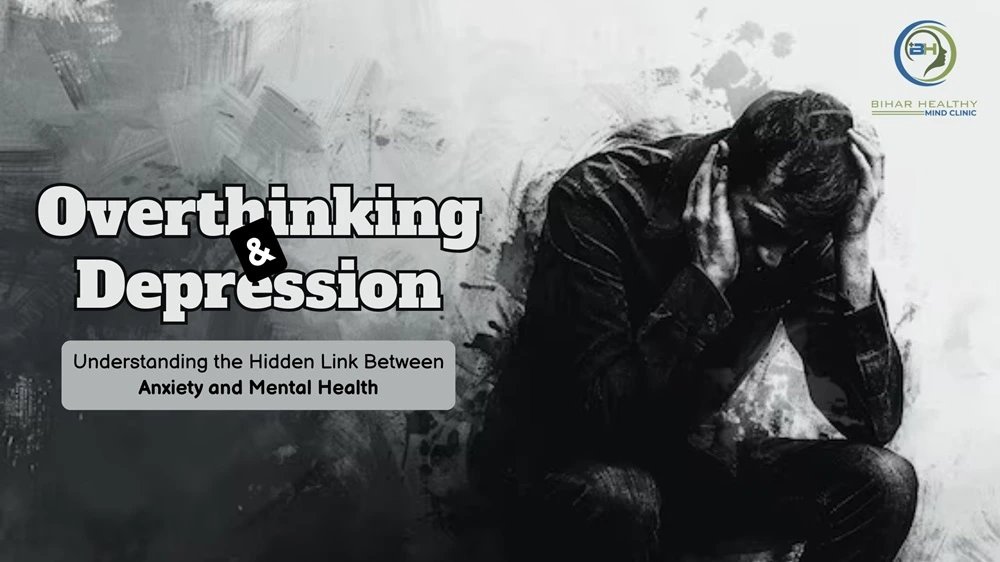
Overthinking is a common yet deeply distressing mental pattern that can quietly affect emotional well being, decision-making ability, and overall quality of life. Many people question whether is overthinking a disease or simply a mental habit that develops over time. From a psychiatric viewpoint, persistent overthinking is often associated with underlying emotional conditions such as anxiety and depression. At Patna Psychiatry, individuals frequently seek help for constant mental rumination that disrupts sleep, reduces productivity, and disturbs emotional balance. Consulting the best psychiatrist in Patna allows for accurate assessment and structured care.
This article explores what causes overthinking, its connection with anxiety and depression, and when professional psychiatric support becomes essential.
Understanding Overthinking From a Psychiatric Viewpoint
Is Overthinking a Mental Disorder or a Symptom?
A common question patients ask is: is overthinking a mental disorder? Clinically, overthinking itself is not classified as a standalone disorder. Instead, it is considered a symptom or cognitive pattern associated with mental health conditions. Persistent rumination often appears alongside anxiety disorders, depressive disorders, and stress related conditions.
In psychiatry, excessive overthinking reflects difficulty in regulating thoughts, especially when the mind repeatedly focuses on worries, regrets, or hypothetical future outcomes.
-
Key psychiatric insights include:
- Overthinking is typically a symptom, not a standalone diagnosis
- It frequently occurs with anxiety disorders and depression
- Repetitive thinking patterns increase emotional stress and mental fatigue
- Difficulty controlling thoughts indicates impaired emotional regulation
Is Overthinking a Disease? Understanding the Medical Perspective
From a medical standpoint, is overthinking a disease? The answer is nuanced. Overthinking is not a disease on its own, but when chronic and distressing, it signals an underlying psychiatric concern. If left unaddressed, it can intensify emotional distress and worsen existing mental health conditions.
Psychiatrists assess overthinking as part of a broader diagnostic evaluation rather than labeling it in isolation.
-
Medical considerations include:
- Overthinking alone is not classified as a disease
- Persistent rumination may indicate underlying psychiatric conditions
- Long term overthinking can worsen emotional instability
- Psychiatrists evaluate it as part of a comprehensive mental health assessment
What Causes Overthinking in Daily Life?
Psychological and Emotional Triggers
Several psychological factors contribute to the causes of overthinking. These include perfectionism, fear of failure, unresolved emotional conflicts, and negative self beliefs. Individuals with high emotional sensitivity may replay situations repeatedly, seeking reassurance or certainty that never fully arrives.
-
Key contributing factors include:
- Perfectionistic thinking: Setting unrealistically high standards and repeatedly analyzing mistakes
- Fear of failure: Constant worry about making the wrong decision or disappointing others
- Unresolved emotional stress: Past experiences or conflicts that remain mentally unprocessed
- Negative self-beliefs: Persistent self-doubt and excessive self-criticism
- High emotional sensitivity: Replaying conversations or events to seek reassurance or certainty
Understanding what causes overthinking requires examining emotional experiences, thought patterns, and coping mechanisms developed over time.
Anxiety and Overthinking - A Strong Mental Loop
The relationship between anxiety and overthinking is particularly strong. Anxiety keeps the mind alert to perceived threats, while overthinking amplifies those threats through constant mental analysis. This creates a loop where worry fuels rumination, and rumination strengthens anxiety.
-
How this cycle develops:
- Hyper-vigilant thinking: Anxiety keeps the mind constantly scanning for problems
- Excessive mental analysis: Overthinking repeatedly reviews possible negative outcomes
- Reinforced worry patterns: Rumination strengthens fear rather than resolving it
- Emotional exhaustion: Continuous mental engagement leads to stress and fatigue
From a psychiatric viewpoint, managing anxiety is often key to reducing overthinking patterns.
Overthinking and Depression - How Are They Connected?
Overthinking and Depression Explained Clinically
The link between overthinking and depression is well-documented in psychiatry. Depressive thinking often involves persistent negative thought cycles focused on past mistakes, guilt, or feelings of worthlessness. This mental replay reinforces low mood and emotional exhaustion.
-
Key clinical observations include:
- Repeated focus on past mistakes or perceived failures
- Persistent feelings of guilt, worthlessness, or inadequacy
- Mental replay of negative experiences without resolution
- Emotional exhaustion caused by constant rumination
In many cases, overthinking depression becomes a core feature of depressive disorders, making recovery slower without appropriate treatment.
When Overthinking Leads to Emotional Withdrawal
As depressive symptoms deepen, individuals may withdraw socially, lose motivation, and experience mental fatigue. Overthinking during depression often lacks problem solving intent and instead reinforces hopelessness. This is why early psychiatric evaluation is essential when overthinking becomes persistent and emotionally draining.
-
Common signs of emotional withdrawal include:
- Reduced social interaction and isolation
- Loss of motivation and interest in daily activities
- Persistent mental fatigue and lack of concentration
- Increased feelings of helplessness and emotional numbness
In such cases, overthinking no longer serves a reflective purpose but deepens depressive symptoms. This highlights the importance of early psychiatric evaluation, especially when persistent rumination begins to affect emotional well-being and daily functioning.
Psychological Perspectives on Overthinking
Cognitive-Behavioral View of Overthinking
From a cognitive behavioral perspective, overthinking arises when the mind repeatedly processes situations through distorted or inaccurate thought patterns that do not reflect reality.
-
Key cognitive factors involved include:
- Catastrophic thinking that assumes the worst possible outcomes
- Mental filtering that focuses only on negative details
- Overgeneralization based on limited experiences
- Persistent self doubt and fear driven assumptions
These thought distortions increase emotional stress, helplessness, and worry. Cognitive Behavioral Therapy (CBT) helps identify and challenge such patterns, replacing them with realistic and balanced thinking. With CBT based restructuring, individuals can reduce excessive rumination and achieve emotional stability under the guidance of the best psychiatrist in Patna.
Research Evidence Linking Overthinking With Anxiety and Depression
Clinical studies consistently demonstrate a strong connection between repetitive negative thinking, anxiety disorders, and depressive conditions.
-
Research highlights the following findings:
- Excessive rumination increases vulnerability to anxiety disorders
- Repeated focus on past mistakes contributes to depressive symptoms
- Constant worry about future events fuels chronic anxiety
- Thought repetition intensifies emotional distress over time
These findings confirm that overthinking is not merely a habit but a psychological mechanism that worsens emotional health. Addressing overthinking through structured psychiatric treatment plays a vital role in managing both anxiety and depression effectively.
Is Overthinking the Biggest Cause of Unhappiness?
The Emotional Cost of Constant Rumination
Many patients resonate with the statement that overthinking is the biggest cause of unhappiness. Continuous mental noise reduces present-moment awareness, disrupts sleep, and diminishes emotional satisfaction. Even positive experiences lose impact when the mind remains trapped in internal dialogue.
Psychiatrically, unhappiness linked to overthinking reflects emotional overload rather than external circumstances alone.
Impact on Relationships and Work Life
Overthinking affects concentration, confidence, and interpersonal communication. Individuals may second-guess decisions, misinterpret interactions, or feel mentally exhausted, leading to strained relationships and reduced work performance. These secondary effects further reinforce emotional distress.
When to Seek Psychiatric Help for Overthinking
Warning Signs That Require Professional Attention
Overthinking becomes clinically significant when it interferes with sleep, daily functioning, emotional stability, or decision-making. Symptoms such as persistent sadness, anxiety, irritability, or loss of interest may indicate underlying depression or anxiety disorders.
Consulting the best psychiatrist in Patna ensures accurate assessment and timely intervention.
Role of Psychiatric Evaluation and Treatment
At Patna Psychiatry, comprehensive psychiatric evaluation helps identify whether overthinking is linked to anxiety, depression, or stress related conditions. Treatment may include psychotherapy, cognitive-behavioral techniques, lifestyle guidance, and medication when clinically necessary. Under the care of Dr. Saurabh Kumar, MD (Psychiatry), patients receive structured, ethical, and evidence-based mental health support.
Managing Overthinking Through Psychiatric Care
Therapeutic Approaches to Break Thought Cycles
Psychiatric treatment focuses on helping individuals recognize and regulate unhelpful thought patterns. Therapy helps patients challenge irrational beliefs, reduce mental rumination, and develop emotional resilience. Over time, this leads to improved clarity, focus, and emotional balance.
Long Term Mental Wellness and Emotional Stability
With consistent psychiatric care, individuals learn to manage triggers, respond calmly to stress, and reduce overthinking tendencies. Early intervention prevents emotional escalation and supports long term mental well-being under the guidance of the best psychiatrist in Patna.
Conclusion
Overthinking is not merely a habit of excessive thinking, it is often a sign of deeper emotional distress linked to anxiety and depression. Understanding the relationship between overthinking and depression allows for timely psychiatric intervention and meaningful recovery. At Patna Psychiatry, individuals receive compassionate, personalized care under the expertise of Dr. Saurabh Kumar, MD (Psychiatry). With the right support, mental clarity, emotional balance, and a healthier relationship with one’s thoughts are achievable.
Visitors: 91
Leave a Comment
Comments (0)
Recent Posts
-
 Repetitive Rumination: Understanding Why It Happens and How to Manage Repetitive Thoughts
-
 CBT Therapy Explained: How Cognitive Behavioral Therapy Helps Mental Illness
-
 Conduct Disorder Definition, Symptoms, and Diagnosis in Children
-
 How to Relax Mind from Stress: 5 Simple Expert Tips
-
 How to Increase Sex Hormone in Females: Understanding Hormones That Affect Sexual Health
No comments yet.