
A neuropsychiatrist can treat any ailment classified as a Functional Neurological Disorder, which has no recognised aetiology. In the past, hysteria was the term used to describe all of these diseases.
Neuropsychiatry is a discipline of research that studies behavioral problems related to neurological diseases. "Healthy Minds India" the Best Neuropsychiatry Clinic is at your service to cure it.
The ever-expanding discipline of neuropsychiatry encompasses any neurological condition that negatively affects your behaviour, emotions, thoughts, and personality. The phrase can be used to describe frequent childhood mental health conditions linked to neurology. Neuropsychiatric disorders include things like conduct disorder, ADHD, and anger management concerns.
Both traumatic and non-traumatic acquired brain injuries, or ABIs, can result in a wide range of mental conditions. A patient experiencing the short-term and long-term aftereffects of an ABI can receive treatment from a neuropsychiatrist.
For instance, a person with epilepsy might develop psychosis, while a person with dementia might develop depression. With the aid of medical correlations, neuropsychiatry can assist patients receive tailored therapy for their diseases.
Related guide: functional neurological disorder (hysteria).
Related reading: Deepinder Goyal's Temple device, reviewed by a neuropsychiatrist.
A neuropsychiatrist can treat any ailment classified as a Functional Neurological Disorder, which has no recognised aetiology. In the past, hysteria was the term used to describe all of these diseases.
When counselling and psychotherapy have not produced the expected outcomes, neuropsychiatry can be of assistance. Depression and manic euphoric states can really take a toll on a person.
Lack of sleep-induced paranoia can have devastating effects on a person's physical and mental health. You can learn to develop healthier sleeping patterns with the assistance of a neuropsychiatrist, who may also recommend sleeping pills.
When the problem is common and easily treatable, therapy and counselling are great. Beyond neurology and psychiatry, organic psychiatry focuses on diseases that result from traumatic brain injury or any other neuropsychiatric disorders.
The neuropsychiatric disorder is a blanket medical term that encompasses a broad range of medical conditions that involve both neurology and psychiatry.
The key component of neuropsychiatric disorders is that the symptoms tend to impact brain function, emotion, and mood. These can range from problems with focus and learning in the case of ADHD to sadness, irritability, memory problems, mood problems, depression to a variety of other psychiatric and/or neurological symptoms. Some of the most common causes include traumatic head injury (TBI), infections, medication side effects, attention deficit hyperactivity syndrome (ADHD), genetic predisposition, and environmental factors, In some cases, the cause may be unknown, and may be related to other factors.
Recognised as a world renowned institution, you can consult any of our doctors by visiting our clinic.
Free or low cost coverage adults with limited income recognised as a world renowned institution.
Call +91 90604 84416 or +91 87092 99986. Calls answered every day, 9 AM - 7 PM.
Call to bookAll medical aspects practice for family, our reception staff with any medical enquiry any time.
Neuropsychiatry sits where neurology and psychiatry overlap - conditions in which brain disease produces psychiatric symptoms, and psychiatric presentations that need neurological assessment. Examples include behaviour change in dementia, mood and psychotic symptoms in epilepsy, and the psychiatric aspects of movement disorders.
When symptoms come with neurological features - seizures, memory loss, tremor, change in gait, abnormal movements - or when they began after a head injury, stroke or brain infection. Also when a psychiatric presentation has not responded as expected and an underlying neurological cause has not been excluded.
Depending on the presentation: MRI or CT of the brain, EEG, blood tests for thyroid, vitamin B12 and metabolic causes, and formal cognitive or neuropsychological testing. Diagnostic services are arranged through the clinic, and results are explained to you rather than simply handed over.
Yes, frequently. Depression is common after stroke and in Parkinson's disease; epilepsy carries raised rates of depression and anxiety; brain injury can change personality and impulse control. Treating these as purely psychological misses the cause, which is precisely why combined assessment exists.
No. A neurologist treats diseases of the nervous system. A neuropsychiatrist is a psychiatrist with additional training in the brain-behaviour relationship, managing the psychiatric and behavioural consequences of neurological disease. The two often work together, and referral between them is routine rather than a sign something was missed.
Dementia with behavioural symptoms, epilepsy with mood or psychotic features, dissociative and functional neurological symptoms, post-stroke depression, the after-effects of traumatic brain injury, movement disorders, chronic headache, and cognitive complaints in younger adults. See neuropsychiatric illness for the fuller list.
No. Medication is used carefully, because patients with neurological disease are often more sensitive to side effects, so doses start low and are reviewed. Alongside it: psychotherapy, biofeedback, rTMS where appropriate, and practical support for families. Response varies between patients.
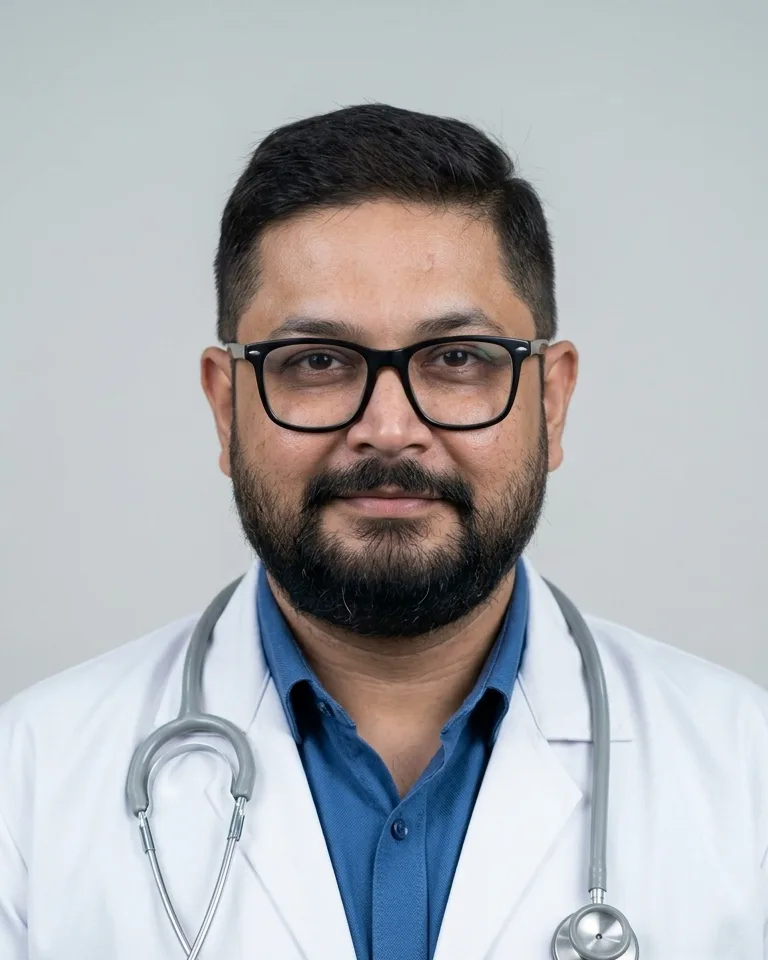
Your consultant
MBBS · MD (Psychiatry), AIIMS New Delhi
Consultant Psychiatrist and Neuropsychiatrist with over 15 years of experience, and a special interest in adolescent mental health and neurodevelopmental conditions. He currently serves as Associate Professor and Head of Psychiatry at R.D.J.M. Medical College, Muzaffarpur.
Book an assessment
An assessment takes one unhurried appointment. Leave your number and our reception staff will call you back within working hours - or simply ring the clinic.
Struggling quietly for months is reason enough. Ten minutes on the phone today can change the next ten years.