A Mount Sinai team has mapped the wiring that decides whether deep brain stimulation for severe depression keeps working. This expanded edition walks through the study in detail, sets it beside twenty years of related research, and explains why a surgical finding in New York changes how carefully a magnetic coil should be placed in Patna.
In this article 13
- Depression is a network problem, and networks have cables
- Twenty years of work in one timeline
- What the 2026 study did, step by step
- What it found: three cables and one that was missed
- What the study does not show
- How it fits with similar research
- Why a Patna psychiatrist cares about a millimetre in New York
- The evidence from India, and from our own work at AIIMS
- The treatment ladder for depression that has not responded
- What families believe, and what the research says
- Frequently Asked Questions
- References
- About this article
The most important number in the biggest study of its kind is a unit of length. Not a dose, not a success rate: a millimetre. Published on 1 October 2026 in the American Journal of Psychiatry, the study pooled 131 people with treatment-resistant depression who had electrodes implanted deep in the brain, and found that lasting recovery depended on whether the current reached three specific bundles of wiring. Patients who had still not improved after two years had one thing in common: their stimulation had missed one of them.1,2
131patients pooled from three independent centres, the largest subcallosal DBS dataset analysed so far
3white-matter pathways whose stimulation went with sustained improvement
1 mmthe scale at which electrode position changed which pathways were reached
1 in 3people with depression do not recover after two adequate antidepressant trials
Most readers of this page will never have brain surgery for depression, and nor should they. Deep brain stimulation (DBS) for depression remains experimental, is offered only inside research trials, and is reserved for people whose illness has defeated every other treatment. So why give it this much space on a clinic website in Patna? Because the lesson of the study is not really about surgery. It is about what depression is, where in the brain it lives, how the field learned this over two decades of careful work, and why precision, in any brain stimulation treatment, separates a therapy that works from one that nearly works.
I have spent much of my research career on non-invasive brain stimulation, first at the All India Institute of Medical Sciences and now at Healthy Minds India. The question that this study answers for surgeons is the same one I face at the start of every course of repetitive transcranial magnetic stimulation (rTMS): are the pulses reaching the circuit we mean to change? The sections that follow are long because the answer deserves to be understood, not just believed.
Depression is a network problem, and networks have cables
For a long time the public picture of depression was a chemical one: too little serotonin, top it up. That picture is not wrong, but it is incomplete. Twenty years of brain imaging has shown that depression behaves like a fault in a circuit: a set of connected regions that normally balance one another but have fallen into a stuck pattern.
One hub in that circuit sits deep under the front of the brain, in the white matter next to the subcallosal cingulate (also called Brodmann area 25 or the subgenual cingulate). In 2005, Helen Mayberg and Andres Lozano in Toronto reported that this region was overactive in severe depression, that it quietened as people recovered, and that in six people with intractable depression, directly stimulating it with implanted electrodes produced a striking and sustained improvement in four of them.9 That six-patient paper launched the field.
A second hub, the dorsolateral prefrontal cortex on the outer surface of the brain, tends to be underactive in depression. The two normally work in opposition, like the two ends of a seesaw: when the surface hub that supports attention and planning switches on, the deep hub that generates negative mood is supposed to switch down.10
Hubs are connected by white matter: bundles of insulated nerve fibres that work like cables between cities. This is the part most explanations skip, and it is the part the new study is about. When a surgeon places a stimulating electrode in the white matter beside the subcallosal cingulate, the current does not stay put. It travels along whichever cables pass through the stimulated zone and changes activity in every region those cables reach. That is why two patients with electrodes in almost the same place can have very different results: a millimetre to one side, and the current catches a different set of fibres.2
Three cables matter most. The cingulum bundle runs along the inner surface of the brain, linking the subcallosal hub to the rostral and dorsal cingulate regions that regulate mood, motivation and attention. The forceps minor passes through the front of the corpus callosum and connects the medial frontal cortex of the two hemispheres, so that both sides of the frontal brain work together. The uncinate fasciculus and the neighbouring ventral amygdalofugal pathway link the frontal brain downward to the amygdala, hypothalamus and ventral striatum, the deep structures that generate fear, stress responses and the sense of reward.3,4
SCC
Subcallosal cingulate hub: deep, overactive in depression.
1 · Cingulum bundle
To the rostral and dorsal cingulate.
2 · Forceps minor
Bridges the front of both hemispheres.
3 · Uncinate / amygdalofugal
To the amygdala, hypothalamus and striatum.
How to read this: current from the electrode spreads along whichever cables pass through the stimulated zone. The coil on the scalp reaches the same circuit from the surface hub (DLPFC), without surgery.
Twenty years of work in one timeline
The 2026 paper is the latest step in an unusually disciplined research programme. Each study below answered one question and raised the next.
- 2005The target is found
Mayberg and colleagues show the subcallosal cingulate is overactive in severe depression and that chronic stimulation of its white matter produces sustained remission in four of six patients (Neuron).9
- 2012The surface and the depth are linked
Fox and colleagues show that the most effective rTMS sites on the scalp are those most strongly (and negatively) connected to the subgenual cingulate. The magnet and the electrode are working on the same map (Biological Psychiatry).10
- 2014The cables are identified
Riva-Posse and colleagues reconstruct the fibres activated by each patient's electrode and find that all responders at six months and two years shared the same bundles: forceps minor, uncinate fasciculus, cingulum and fibres to subcortical nuclei. Non-responders did not. Crucially, the raw electrode coordinates did not separate the two groups; the fibres did (Biological Psychiatry).3
- 2017The big trial stumbles
The industry-sponsored BROADEN trial, planned for over 200 patients, is stopped after 90 when a six-month interim analysis finds response rates of 20 per cent with active stimulation and 17 per cent with sham. Electrodes were placed by anatomical landmarks, not by connectivity (Lancet Psychiatry).5
- 2018Targeting by cables is tested prospectively
Using a four-bundle tractography "blueprint" to plan surgery in 11 new patients, the Emory group reports a response rate of 82 per cent at one year, against roughly 50 per cent in earlier landmark-targeted series (Molecular Psychiatry).4
- 2019Benefit lasts
Long-term follow-up of 28 patients shows response and remission rates held at or above 50 and 30 per cent respectively from year two to year eight (American Journal of Psychiatry).6
- 2023Recovery can be read from the brain
Alagapan and colleagues find an electrical signature in the stimulated region that tracks recovery week by week and warns of relapse before the patient feels it (Nature).8
- 2025The field regroups
A pooled analysis of 172 implanted patients from five studies in five countries, including BROADEN, shows that the six-month endpoint of the failed trial had been too early; benefit accumulated over one to two years (Brain Stimulation).7
- 2026The cables are confirmed across centres
The study this article is about: 131 patients from three independent cohorts, three pathways, and one missed pathway shared by every two-year non-responder (American Journal of Psychiatry).1
What the 2026 study did, step by step
| The study at a glance | Details |
|---|---|
| Design | Retrospective analysis of a curated multi-centre dataset1 |
| Patients | 131 adults with treatment-resistant depression; mean age about 47; 60 per cent women1 |
| Cohorts | Three independent centres, including the BROADEN trial and the University of Toronto, where the target was first developed1,2 |
| Treatment | Bilateral subcallosal cingulate DBS, each centre using its own targeting method1 |
| Outcome | 17-item Hamilton Depression Rating Scale; response = at least 50 per cent reduction1 |
| Method | Electrical-field models of each electrode combined with white-matter maps to estimate which bundles were activated1,2 |
| Funding | NIH BRAIN Initiative, Hope for Depression Research Foundation, Dana Foundation; Abbott supplied BROADEN data but did not design or analyse the study2 |
| Disclosures | Several authors consult for Abbott and hold related patents, which the paper and press release state openly1,2 |
- 1Find every patient
The Mount Sinai team, led by Ha Neul Song, Ki Sueng Choi and Helen Mayberg with collaborators in Toronto and Atlanta, assembled electrode positions, stimulation settings and long-term outcomes from the three cohorts. Pooling matters because earlier pathway findings had come from a single centre with a single surgical team; a sceptic could reasonably ask whether the result was a property of the brain or of that one operating theatre.2
- 2Model the current
An electrode does not activate a neat sphere of tissue. Using each patient's contact position and settings, the team computed the "volume of tissue activated" around every electrode.1
- 3Lay the current over the wiring
Those activated volumes were then overlaid on tractography maps of the white-matter bundles to estimate how much of each pathway the stimulation engaged. For most patients the maps were normative, built from large healthy-brain datasets; for the Emory subgroup, each patient's own diffusion MRI was available and the two approaches were compared.1,2
- 4Compare responders and non-responders
Responders turned out to have a tighter, less variable spread of activated tissue than non-responders. Probabilistic mapping of improvement across all 131 patients pointed to one focal cluster of tissue, the place where the three bundles converge.1
What it found: three cables and one that was missed
The long north-south cableCingulum bundle
Links the subcallosal hub to the rostral and dorsal cingulate, regions involved in mood regulation, effort and attention.
Across every centre, patients who had not responded at two years shared one feature: their stimulation had not engaged the left cingulum bundle.1,2 The effect was lateralised; the right side did not carry the same weight.
The left-right bridgeForceps minor
Fibres of the corpus callosum connecting the medial frontal cortex of the two hemispheres, so that the frontal brain acts as one unit rather than two.
Stimulation reaching it was consistently associated with lasting response in the pooled data, as it had been in the 2014 single-centre series.1,3
The cable to the alarm centreMedial uncinate / amygdalofugal
Links the frontal brain with the amygdala, hypothalamus and ventral striatum, which generate fear, stress hormones and the drive for reward.
Failure to activate the medial uncinate fasciculus, like failure to reach the left cingulum, reduced the therapeutic effect.1 The authors conclude that precise targeting of both is needed for sustained improvement.
Put plainly: the study did not discover a new spot in the brain. It confirmed, in a much larger and more diverse group than before, that the spot was never the point. What predicts recovery is whether the current reaches the right set of connections, and the connections run so close together that the difference between reaching them and missing them is measured in millimetres. Brian Kopell, the neurosurgeon on the team, framed the question as not which area to stimulate but which connections within that area must be engaged.2
There is a second, quieter finding. When the Emory subgroup was analysed with each patient's own diffusion scan instead of the normative map, the answer was the same.2 That matters for places like India, where high-quality diffusion imaging is not always available: it suggests that good population-level wiring maps may be enough to plan around, even if individual scans remain the ideal.
What the study does not show
Good science is defined as much by its stated limits as by its findings, and the authors are unusually candid about theirs.1,2
- It is correlational. Non-responders had a missed pathway; nobody moved their electrodes to find out whether reaching it would have rescued them. That is a question for a future trial, and the connectome-targeting approach is now being tested prospectively in the randomised TRANSCEND trial sponsored by Abbott.2
- Placement is not everything. The researchers stress that electrode position alone is unlikely to decide who improves. Patient selection, stimulation settings and how those settings are adjusted over months all matter and were not the subject of this analysis.2
- Most maps were borrowed. Individual diffusion scans were not available for every patient, so much of the analysis relied on normative connectivity; the Emory comparison is reassuring but not conclusive.2
- The treatment itself remains unproven at trial level. The only large randomised trial of this procedure, BROADEN, did not meet its six-month endpoint.5 The long-term data are encouraging, with sustained response in roughly half of implanted patients over years,6,7 but they are open-label. This is why DBS for depression is still research-only, everywhere in the world, and why no responsible clinic in India offers it as a routine treatment.
- Interests are declared. Several authors advise the device manufacturer and hold patents on the targeting method. The paper discloses this, and the funding came mainly from public and charitable sources.2 Readers should know it; it does not invalidate the result, which rests on the data.
The study did not discover a new spot in the brain. It confirmed that the spot was never the point: what matters is which cables the current reaches, and the difference is measured in millimetres.
How it fits with similar research
The table collects the principal subcallosal DBS studies so that the 2026 paper can be read in context. Response means at least a 50 per cent fall in a standard depression rating scale.
| Year | Study | Patients | What it showed |
|---|---|---|---|
| 2005 | Mayberg et al., Neuron9 | 6 | First demonstration: chronic stimulation of subcallosal white matter normalised the region's overactivity and produced sustained remission in four of six. |
| 2014 | Riva-Posse et al., Biol Psychiatry3 | 16 | All responders at 6 months and 2 years shared activation of forceps minor, uncinate, cingulum and subcortical fibres; electrode coordinates alone did not discriminate. |
| 2017 | Holtzheimer et al. (BROADEN), Lancet Psychiatry5 | 90 | Randomised, sham-controlled, landmark-targeted. Stopped for futility: 20 per cent vs 17 per cent response at 6 months. Open-label follow-up later reached about 49 per cent response. |
| 2018 | Riva-Posse et al., Mol Psychiatry4 | 11 | First prospective use of the four-bundle connectome blueprint to plan surgery: 82 per cent response and 55 per cent remission at 1 year. |
| 2019 | Crowell et al., Am J Psychiatry6 | 28 | Four-to-eight-year follow-up: response at or above 50 per cent and remission at or above 30 per cent sustained from year 2 onward. |
| 2023 | Alagapan et al., Nature8 | 10 | A brain-signal biomarker recorded by the implanted device tracked recovery and flagged relapse risk; recovery coincided with structural change along the cingulum. |
| 2025 | Himes et al., Brain Stimulation7 | 172 | Pooled analysis of five studies in five countries: sustained long-term improvement and an acceptable safety profile; argues that 6 months was too early an endpoint. |
| 2026 | Song et al., Am J Psychiatry1 | 131 | Three cohorts, three pathways. Left cingulum and medial uncinate engagement needed for sustained response; every 2-year non-responder had missed the left cingulum. |
Read in sequence, the studies tell a coherent story. A target was found in a handful of patients; the mechanism was proposed to be the cables rather than the spot; a trial that ignored the cables and judged results too early failed; a small series that planned by the cables did much better; long-term data showed the benefit was durable; and now the cable hypothesis has survived testing in the largest multi-centre dataset available. None of this makes DBS a routine treatment. It does make the circuit model of depression the best-supported account we have.
The same model is now being confirmed from a completely different direction. In 2021, Siddiqi and colleagues at Harvard pooled 14 datasets of brain lesions (461 patients), rTMS sites (151) and DBS sites (101) and found that all three pointed at a single depression circuit, and that how strongly a stimulation site connected to that circuit predicted how well it worked, for both the magnet and the electrode.11 Whether depression is caused by a stroke, relieved by a coil on the scalp or relieved by an electrode in the depths, the wiring diagram is the same.
Why a Patna psychiatrist cares about a millimetre in New York
Here is the part that reaches the consulting room. The circuit that DBS targets from below is the circuit that rTMS reaches from above, without surgery. A magnetic coil over the left dorsolateral prefrontal cortex induces a brief electrical current in the surface hub and, through its cabling, nudges the deep hub. The 2012 study by Fox and colleagues showed that the scalp sites with the best antidepressant track record were precisely those most strongly connected to the subgenual cingulate,10 and a 2018 prospective study confirmed that the strength of that connection at the actual treated site predicted how much a patient improved.12
That is why precision matters in rTMS too. The standard way of finding the target, measuring a fixed distance forward from the spot that twitches the thumb, can land the coil on scalp that connects poorly to the deep hub in a given person. Modern practice is moving towards scalp coordinates and, where imaging allows, connectivity-guided targets; and towards holding the coil at exactly the same place, at the same angle, session after session.
Two further trials complete the picture. The THREE-D trial in Toronto randomised 414 people with treatment-resistant depression to either the standard 37-minute high-frequency rTMS session or a three-minute intermittent theta burst (iTBS) protocol, and found them equivalent: about 49 per cent responded and 32 per cent remitted with iTBS, against 47 and 27 per cent with standard rTMS.13 A three-minute session is far easier to deliver every day for four to six weeks, and daily consistency is part of what makes stimulation reach its target. Then, at Stanford, Cole and colleagues combined individual connectivity targeting with an accelerated schedule of ten iTBS sessions a day for five days. In the open-label study, 19 of 21 patients remitted;14 in the subsequent sham-controlled trial, 79 per cent of those receiving active treatment remitted within four weeks against 13 per cent with sham.15 That protocol, now called Stanford Neuromodulation Therapy, is the non-surgical cousin of the connectome targeting in the Mount Sinai paper: same circuit, same logic, no operating theatre.
These numbers should be read with care. Stanford's trial was small, its patients were selected, and accelerated protocols are not yet standard in India. What the trials establish is the direction of travel: treat depression as a circuit, aim precisely, and dose consistently. That is the direction our clinic has taken, and it is why we use theta burst protocols routinely. For more on the options, see our guide to brain stimulation treatment in Patna: iTBS, deep TMS and tDCS.
Surgery and the magnet work on the same map from opposite ends. One needs an operating theatre. The other needs a chair, a coil and a few minutes a day.
The evidence from India, and from our own work at AIIMS
Readers sometimes assume that brain stimulation evidence comes only from North America and Europe. It does not. Between 2015 and 2019 our group in the Department of Psychiatry at AIIMS, New Delhi, led by Professor Nand Kumar and Dr. Rohit Verma, published a series of naturalistic studies of rTMS and tDCS in patients treated as part of routine care. They are smaller and less controlled than the trials above, and I say so plainly, but they describe what brain stimulation does for Indian patients with the same illnesses, in Indian hospital conditions.
Treatment-resistant depression. A retrospective analysis of patients given rTMS as an add-on to medication found that about half responded on the Hamilton and Montgomery-Åsberg scales, in line with the roughly 50 per cent response reported in large Western naturalistic series and in meta-analyses of augmentation trials.19
Panic disorder with depression. Thirteen treatment-resistant patients with both conditions received 20 sessions of high-frequency rTMS over the left dorsolateral prefrontal cortex; panic severity fell by 38 per cent and depression scores by 40 per cent.20 The same surface hub, the same cables to the amygdala, two sets of symptoms.
Migraine with depression. Patients with both migraine and depression showed reductions in headache frequency and depressive symptoms after dorsolateral prefrontal rTMS, a reminder that the circuit in question also regulates pain.21
Obsessive-compulsive disorder. Low-frequency rTMS over the left orbitofrontal cortex was safe and helpful as an add-on in medication-refractory OCD.22 In a larger review of 79 refractory patients treated over either the supplementary motor area or the orbitofrontal cortex, both targets worked about equally well, and the people least likely to respond were those with comorbid depression and more severe baseline symptoms.23 We also reported an open-label trial of transcranial direct current stimulation (tDCS) in treatment-resistant OCD.24 (Read more in rTMS for OCD: what a study of 79 patients found.)
Tourette syndrome. Low-frequency rTMS over the supplementary motor area reduced tic severity in medication-refractory patients, with benefit maintained at three months.25
Two threads run through this work and connect it to the Mount Sinai paper. First, the target is chosen by circuit, not by symptom label: the orbitofrontal cortex and supplementary motor area for OCD and tics, the dorsolateral prefrontal cortex for depression, panic and migraine, because those are the surface entry points to the circuits that misfire in each condition.22,23,25,26 Second, the predictors of poor response that we found, comorbid depression and greater severity, are the same kinds of patient-level factors that the Mount Sinai authors say placement alone cannot overcome.2,23
The treatment ladder for depression that has not responded
Two adequate antidepressant trials without recovery is the usual definition of treatment-resistant depression, and in the large STAR*D study it described about one in three people who started treatment.16 Resistant does not mean untreatable. It means the next step has to be chosen more carefully. This is the ladder we follow; no step is skipped, and nothing on it, except the research-only last rung, is a surgical procedure.
- 1Check the diagnosis and the dose
Bipolar depression, thyroid disease, anaemia, sleep apnoea, alcohol or substance use, and undiagnosed anxiety or OCD all masquerade as "resistant" depression. Many people have never taken a full dose for a full eight weeks. A careful history and basic blood tests come before any new treatment.
- 2Optimise and augment
Switching antidepressant class, adding a second agent with evidence behind it (a mood stabiliser, an atypical antipsychotic, thyroid hormone), and structured psychotherapy such as CBT alongside medicine. Medicines are never stopped abruptly.
- 3Non-invasive brain stimulation
rTMS or iTBS over the left dorsolateral prefrontal cortex, usually 20 to 30 daily sessions, no anaesthesia, home the same day; international evidence-based guidelines rate high-frequency rTMS at this site as having definite antidepressant efficacy.17 This is the step most people in Bihar do not know exists. It is available in Patna, usually as an add-on to medication rather than a replacement.
- 4Electroconvulsive therapy
Still the treatment with the strongest evidence for severe, psychotic or life-threatening depression, given under anaesthesia at a hospital. It is not a punishment and not a last resort; for some presentations it is the first choice.
- 5Deep brain stimulation: research only
Experimental, surgical, offered within trials at a handful of centres worldwide. The 2026 study is about making this step more precise for the rare patients who reach it.1,5,7
Before anyone starts rTMS or iTBS: the safety facts
- Who should not have it. Anyone with metal in the head (clips, cochlear implants, shrapnel), a pacemaker or other implanted electronic device, a history of seizures or epilepsy, or who is pregnant, and anyone under 18 outside a specialist setting. Some medicines that lower the seizure threshold need review first.18
- What it feels like. rTMS induces a real electrical current in the cortex; it is not a passive treatment. Most people feel tapping on the scalp. Headache and scalp discomfort are common and short-lived. Fainting is uncommon. Seizure is rare but possible, which is why screening is done before every course.18 In people with bipolar illness a switch into elevated mood can occur and is watched for.
- What to expect. It is usually an add-on; do not stop medication on your own. Roughly half of people with resistant depression respond and about a third remit in the large trials;13 results vary, no outcome can be guaranteed, and remission is not the same as cure. Follow-up and relapse-prevention planning are part of the treatment.
What families believe, and what the research says
| What families in our OPD often believe | What the evidence says |
|---|---|
| "The medicines did not work, so nothing will." | Two failed trials describe about one in three patients.16 Each later step on the ladder, from augmentation to rTMS to ECT, still helps a substantial share of them.13,17 |
| "Depression is weakness of mind, not a brain condition." | Imaging shows a measurable circuit fault involving the subcallosal cingulate and its connections, which changes as people recover.8,9,11 |
| "Brain stimulation means they will operate on the brain." | rTMS and iTBS are magnetic pulses through an intact scalp; the patient sits awake in a chair. Surgery (DBS) is research-only and reserved for the rarest cases.5,7 |
| "If one centre's TMS did not help, TMS does not work." | This study's lesson is that millimetres and targeting matter. Protocol, coil position, dose and daily consistency differ between centres.1,10,12,15 |
| "A new scan or implant in America means a cure is coming." | The paper improves surgical targeting for a research treatment. It is a real step, not a cure, and its authors say so.2 |
If two medicines have not worked, the next step is a conversation
Depression that has not responded is a reason to look again, not to give up. Bring your prescriptions and treatment history to a consultation at Healthy Minds India, Patna, and we will go through the ladder with you, step by step, including whether rTMS or iTBS is appropriate and safe for you.
If you are in distress and need to speak to someone now: Tele-MANAS, the Government of India mental health helpline, is free, 24×7, at 14416 or 1-800-891-4416. In an emergency call 112.
Frequently Asked Questions
What is treatment-resistant depression?
Depression that has not improved after at least two different antidepressants, each taken at an adequate dose for an adequate time. It affects roughly a third of people treated for depression. It is not a dead end: augmentation, psychotherapy, rTMS/iTBS and ECT each help many of these patients.
Does the new study change how depression is treated today?
Not immediately for most patients. It refines where surgeons place electrodes in a research procedure. Its wider message, that depression is a circuit disorder and that stimulation must reach the right connections, already guides how carefully rTMS targets are chosen and held.
What exactly is white matter, and why does it matter here?
Grey matter is where nerve cells compute; white matter is the insulated wiring that carries signals between them. Depression involves faults in communication between regions, so the wiring, not just the regions, is where treatment effects are decided.
Is deep brain stimulation for depression available in India?
Not as a routine treatment. DBS for depression remains experimental worldwide and is offered only within research trials at a small number of centres. Its only large randomised trial did not meet its primary endpoint, although long-term data are encouraging. The non-surgical treatments that work on the same brain circuit, rTMS and iTBS, are available in Patna.
How is rTMS different from deep brain stimulation?
DBS places electrodes inside the brain through surgery and stimulates the deep hub directly. rTMS uses a magnetic coil on the scalp to stimulate a surface hub that is wired to the same deep circuit. rTMS needs no anaesthesia or admission and has regulatory approval for depression in many countries; DBS for depression does not.
Is theta burst (iTBS) as good as standard rTMS?
In the largest head-to-head trial, 414 patients, the three-minute iTBS protocol was equivalent to the 37-minute standard protocol for response and remission. Shorter sessions make daily attendance easier, which matters for outcome.
What are the side effects of rTMS?
Scalp discomfort and headache during or after sessions are common and pass quickly. Fainting is uncommon. Seizure is rare and is the reason for screening. People with metal implants in the head, pacemakers, epilepsy or pregnancy are generally not treated.
Where can I get rTMS or iTBS for depression in Patna?
Healthy Minds India, Patna, offers rTMS and theta burst (iTBS) treatment for depression that has not responded to medicines, after a full psychiatric assessment to confirm the diagnosis and rule out look-alike conditions. Online consultations are available for patients elsewhere in Bihar.
References
Vancouver style. References 19 to 26 are the author's own publications from the AIIMS brain-stimulation group. Journal, year, volume and page details were checked against publisher or index records on 19 October 2026.
- Song HN, Choi KS, Kopell BH, Figee M, de Bruin J, Cha J, Riva-Posse P, Boutet A, Elias G, Germann J, Kennedy SH, Himes L, Gross RE, Lozano AM, Cheeran B, Mayberg HS. Connectomic determinants of subcallosal cingulate deep brain stimulation for depression. Am J Psychiatry. 2026;183(10):764-774. doi:10.1176/appi.ajp.20250449
- The Mount Sinai Hospital / Mount Sinai School of Medicine. Scientists uncover 3 key brain pathways linked to lasting depression relief [press release]. ScienceDaily, 18 October 2026. sciencedaily.com
- Riva-Posse P, Choi KS, Holtzheimer PE, McIntyre CC, Gross RE, Chaturvedi A, Crowell AL, Garlow SJ, Rajendra JK, Mayberg HS. Defining critical white matter pathways mediating successful subcallosal cingulate deep brain stimulation for treatment-resistant depression. Biol Psychiatry. 2014;76(12):963-969. doi:10.1016/j.biopsych.2014.03.029
- Riva-Posse P, Choi KS, Holtzheimer PE, Crowell AL, Garlow SJ, Rajendra JK, McIntyre CC, Gross RE, Mayberg HS. A connectomic approach for subcallosal cingulate deep brain stimulation surgery: prospective targeting in treatment-resistant depression. Mol Psychiatry. 2018;23(4):843-849. doi:10.1038/mp.2017.59
- Holtzheimer PE, Husain MM, Lisanby SH, et al. Subcallosal cingulate deep brain stimulation for treatment-resistant depression: a multisite, randomised, sham-controlled trial. Lancet Psychiatry. 2017;4(11):839-849. doi:10.1016/S2215-0366(17)30371-1
- Crowell AL, Riva-Posse P, Holtzheimer PE, Garlow SJ, Kelley ME, Gross RE, Denison L, Quinn S, Mayberg HS. Long-term outcomes of subcallosal cingulate deep brain stimulation for treatment-resistant depression. Am J Psychiatry. 2019;176(11):949-956. doi:10.1176/appi.ajp.2019.18121427
- Himes LM, Mayberg HS, Husain MM, Holtzheimer PE, Lozano AM, Kennedy SH, Gross RE, Kopell BH, Figee M, Slavin KV, Pilitsis JG, Neimat JS, Hamani C, Pouratian N, Giacobbe P, Mogilner AY, Nanduri D, Cheeran BJ, Pathak YJ, Riva-Posse P. Revisiting subcallosal cingulate deep brain stimulation for depression: long-term safety and effectiveness outcomes from a pooled analysis of 172 implanted patients. Brain Stimul. 2025;18(5):1632-1640. doi:10.1016/j.brs.2025.08.017
- Alagapan S, Choi KS, Heisig S, Riva-Posse P, Crowell A, Tiruvadi V, et al. Cingulate dynamics track depression recovery with deep brain stimulation. Nature. 2023;622(7981):130-138. doi:10.1038/s41586-023-06541-3
- Mayberg HS, Lozano AM, Voon V, McNeely HE, Seminowicz D, Hamani C, Schwalb JM, Kennedy SH. Deep brain stimulation for treatment-resistant depression. Neuron. 2005;45(5):651-660. doi:10.1016/j.neuron.2005.02.014
- Fox MD, Buckner RL, White MP, Greicius MD, Pascual-Leone A. Efficacy of transcranial magnetic stimulation targets for depression is related to intrinsic functional connectivity with the subgenual cingulate. Biol Psychiatry. 2012;72(7):595-603. doi:10.1016/j.biopsych.2012.04.028
- Siddiqi SH, Schaper FLWVJ, Horn A, Hsu J, Padmanabhan JL, Brodtmann A, et al. Brain stimulation and brain lesions converge on common causal circuits in neuropsychiatric disease. Nat Hum Behav. 2021;5(12):1707-1716. doi:10.1038/s41562-021-01161-1
- Weigand A, Horn A, Caballero R, Cooke D, Stern AP, Taylor SF, Press D, Pascual-Leone A, Fox MD. Prospective validation that subgenual connectivity predicts antidepressant efficacy of transcranial magnetic stimulation sites. Biol Psychiatry. 2018;84(1):28-37. doi:10.1016/j.biopsych.2017.10.028
- Blumberger DM, Vila-Rodriguez F, Thorpe KE, Feffer K, Noda Y, Giacobbe P, et al. Effectiveness of theta burst versus high-frequency repetitive transcranial magnetic stimulation in patients with depression (THREE-D): a randomised non-inferiority trial. Lancet. 2018;391(10131):1683-1692. doi:10.1016/S0140-6736(18)30295-2
- Cole EJ, Stimpson KH, Bentzley BS, Gulser M, Cherian K, Tischler C, et al. Stanford Accelerated Intelligent Neuromodulation Therapy for treatment-resistant depression. Am J Psychiatry. 2020;177(8):716-726. doi:10.1176/appi.ajp.2019.19070720
- Cole EJ, Phillips AL, Bentzley BS, Stimpson KH, Nejad R, Barmak F, et al. Stanford Neuromodulation Therapy (SNT): a double-blind randomized controlled trial. Am J Psychiatry. 2022;179(2):132-141. doi:10.1176/appi.ajp.2021.20101429
- Rush AJ, Trivedi MH, Wisniewski SR, Nierenberg AA, Stewart JW, Warden D, et al. Acute and longer-term outcomes in depressed outpatients requiring one or several treatment steps: a STAR*D report. Am J Psychiatry. 2006;163(11):1905-1917. doi:10.1176/ajp.2006.163.11.1905
- Lefaucheur JP, Aleman A, Baeken C, Benninger DH, Brunelin J, Di Lazzaro V, et al. Evidence-based guidelines on the therapeutic use of repetitive transcranial magnetic stimulation (rTMS): an update (2014 to 2018). Clin Neurophysiol. 2020;131(2):474-528. doi:10.1016/j.clinph.2019.11.002
- Rossi S, Antal A, Bestmann S, Bikson M, Brewer C, Brockmöller J, et al. Safety and recommendations for TMS use in healthy subjects and patient populations, with updates on training, ethical and regulatory issues: expert guidelines. Clin Neurophysiol. 2021;132(1):269-306. doi:10.1016/j.clinph.2020.10.003
- Verma R, Kumar N, Kumar S. Effectiveness of adjunctive repetitive transcranial magnetic stimulation in management of treatment-resistant depression: a retrospective analysis. Indian J Psychiatry. 2018;60(3):329-333. doi:10.4103/psychiatry.IndianJPsychiatry_182_16
- Kumar S, Singh S, Parmar A, Verma R, Kumar N. Effect of high-frequency repetitive transcranial magnetic stimulation (rTMS) in patients with comorbid panic disorder and major depression. Australas Psychiatry. 2018;26(4):398-400. doi:10.1177/1039856218771517
- Kumar S, Singh S, Kumar N, Verma R. The effects of repetitive transcranial magnetic stimulation at dorsolateral prefrontal cortex in the treatment of migraine comorbid with depression: a retrospective open study. Clin Psychopharmacol Neurosci. 2018;16(1):62-66.
- Kumar S, Singh S, Chadda RK, Verma R, Kumar N. The effect of low-frequency repetitive transcranial magnetic stimulation at orbitofrontal cortex in the treatment of patients with medication-refractory obsessive-compulsive disorder: a retrospective open study. J ECT. 2018;34(2):e16-e19.
- Singh S, Kumar S, Gupta A, Verma R, Kumar N. Effectiveness and predictors of response to 1-Hz repetitive transcranial magnetic stimulation in patients with obsessive-compulsive disorder. J ECT. 2019;35(1):61-66.
- Kumar S, Kumar N, Verma R. Safety and efficacy of adjunctive transcranial direct current stimulation in treatment-resistant obsessive-compulsive disorder: an open-label trial. Indian J Psychiatry. 2019;61(4):327-334.
- Singh S, Kumar S, Kumar N, Verma R. Low-frequency repetitive transcranial magnetic stimulation for treatment of Tourette syndrome: a naturalistic study with 3 months of follow-up. Indian J Psychol Med. 2018;40(5):482-486. doi:10.4103/IJPSYM.IJPSYM_332_17
- Kumar N, Kumar S, Gupta R. An update of the application of repetitive transcranial magnetic stimulation (rTMS) in patients with obsessive compulsive disorder. J Neuropsychiatry. 2016;2(1) (epub).
About this article
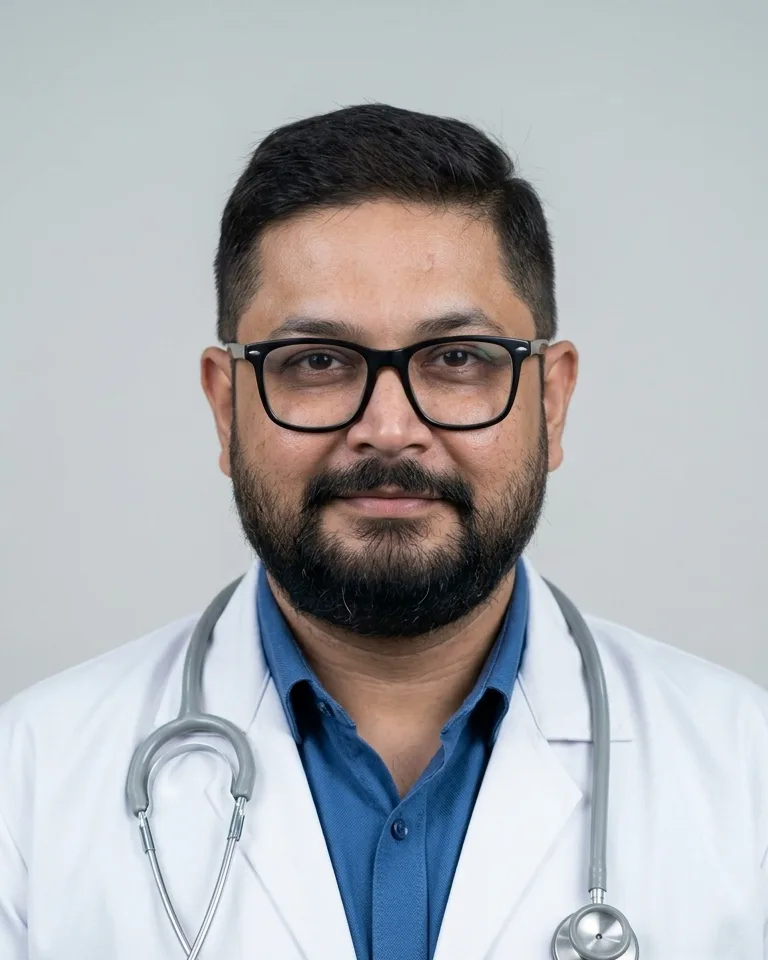
Written and medically reviewed by
- MD (Psychiatry) AIIMS New Delhi
- Associate Professor & HOD, Dept. of Psychiatry, RDJM Medical College, Muzaffarpur
- Ex-Assistant Professor, PMCH Patna
- Consultant, Healthy Minds India, Patna
- Written
- 19 October 2026
- Format
- Research explained
- Evidence
- Retrospective multi-centre analysis (131 patients), read alongside 20 years of trials
- Sources
- 26 references
- His research on rTMS and tDCS for treatment-resistant depression, OCD, panic disorder, migraine and Tourette syndrome was conducted at AIIMS, New Delhi, and has been included in Indian and international reviews of neuromodulation. He is the author of The Indian Mind.
© 2026 Healthy Minds India, Patna · Research explained, October 2026
Disclaimer
This article explains published research for general awareness. It is not medical advice, does not diagnose any condition, and does not replace a consultation. Treatment decisions for depression should be made with a qualified psychiatrist. Do not stop or change prescribed medicines without speaking to your doctor. Results of any treatment described here vary from person to person and cannot be guaranteed.
If you need help now
Tele-MANAS (free, 24×7): 14416 or 1-800-891-4416 · Emergency: 112
Related guides
Healthy Minds India, Patna
House No. 46/B, Sahdeo Mahto Marg, Near Sri Krishna Puri Park (Children's Park), Patna 800001
In person in Patna, online across India · Mon-Wed, Fri & Sun, 9 AM-7 PM (Thu & Sat closed)
Appointments
Non-emergency: +91 8709299986 / 9060484416 · book a consultation
Services: Adult psychiatry · Treatment-resistant depression care · rTMS and iTBS (adults) · tDCS · Psychology and counselling · Online consultation across India
Medically reviewed by Dr. Saurabh Kumar, Consultant Neuropsychiatrist, Healthy Minds India, Patna. This article is for general education and is not a substitute for a personal consultation. To discuss your situation, book an appointment or contact the clinic.